
Alexander Grishkevich
Born
Molodechno, Belarus, 1961
Education
Minsk Art College, 1981
Belarusian State Institute of Theatre and Fine Arts, 1987
Creative Academic Workshop of the Ministry of Culture of Belarus, 1994
Membership
Union of Artists of Belarus, 1996
On view
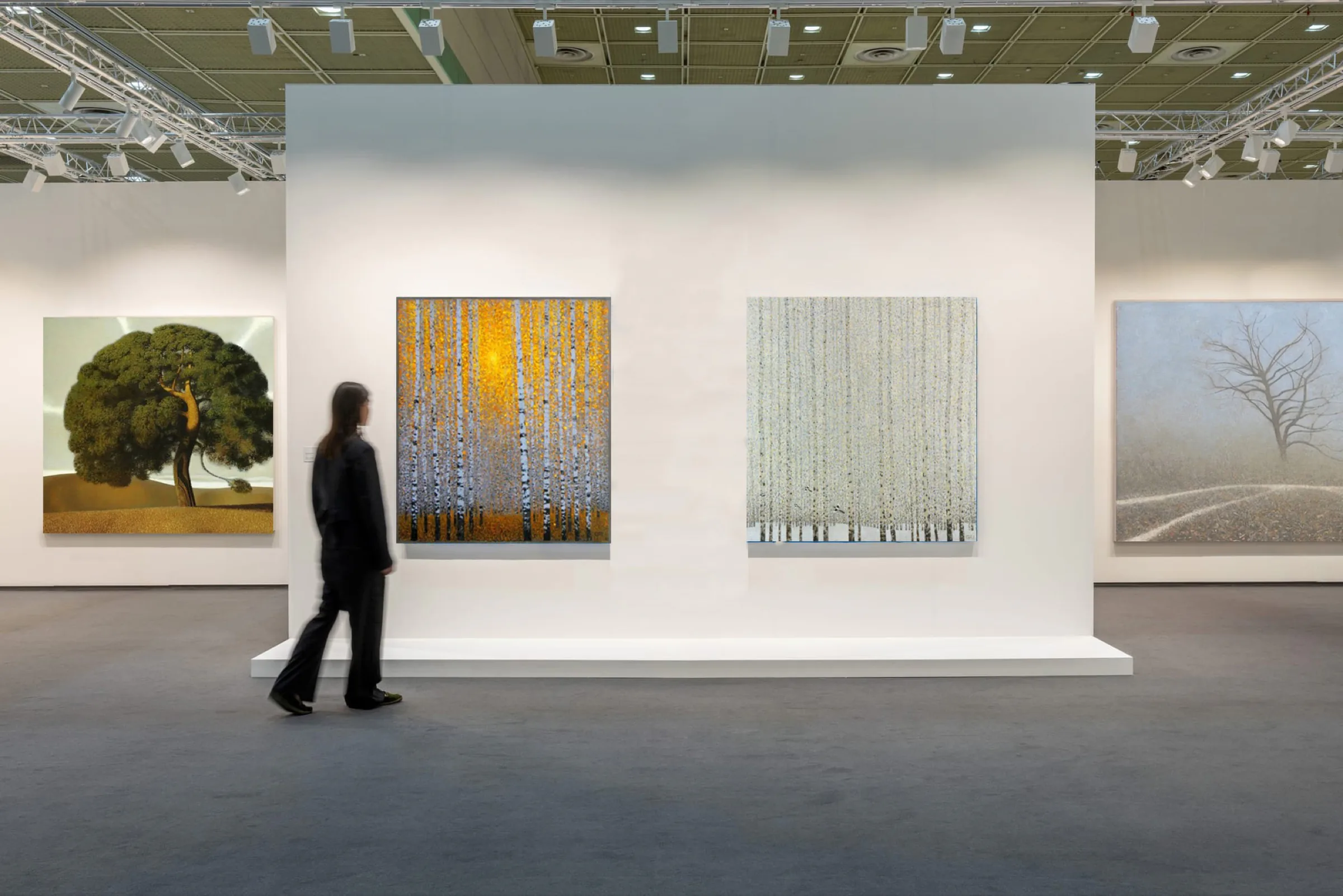
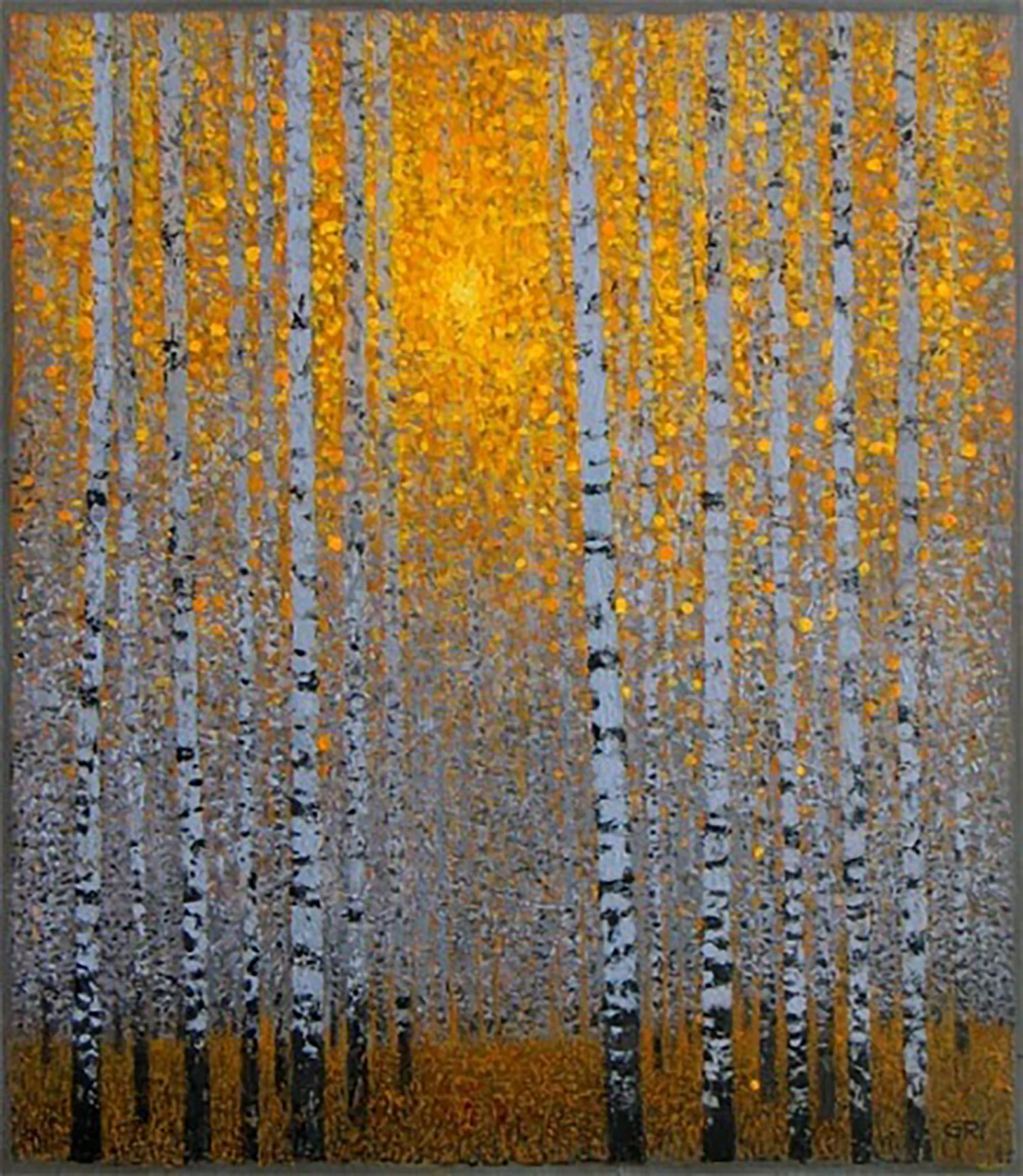
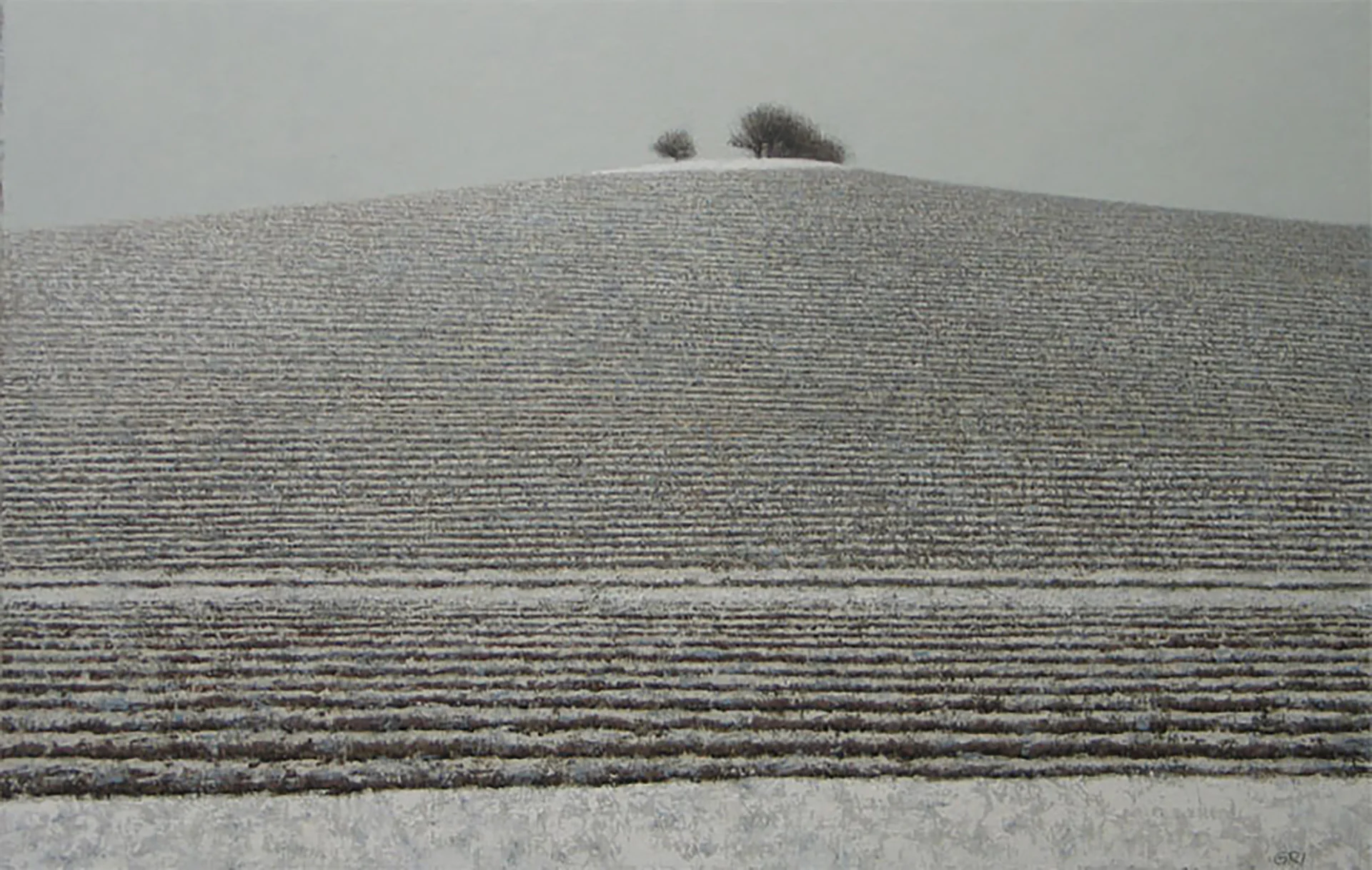
Metaphysical Landscape
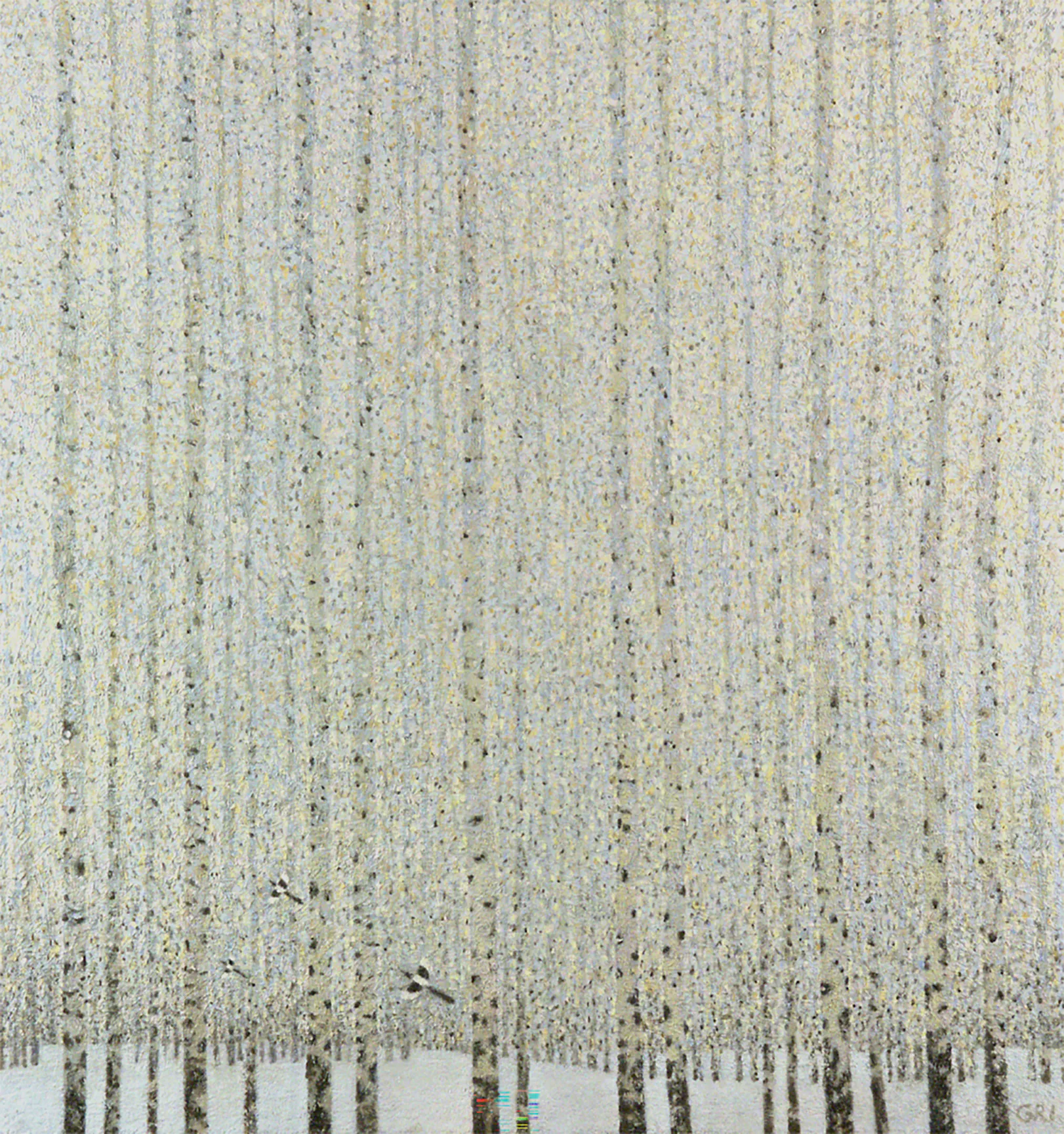
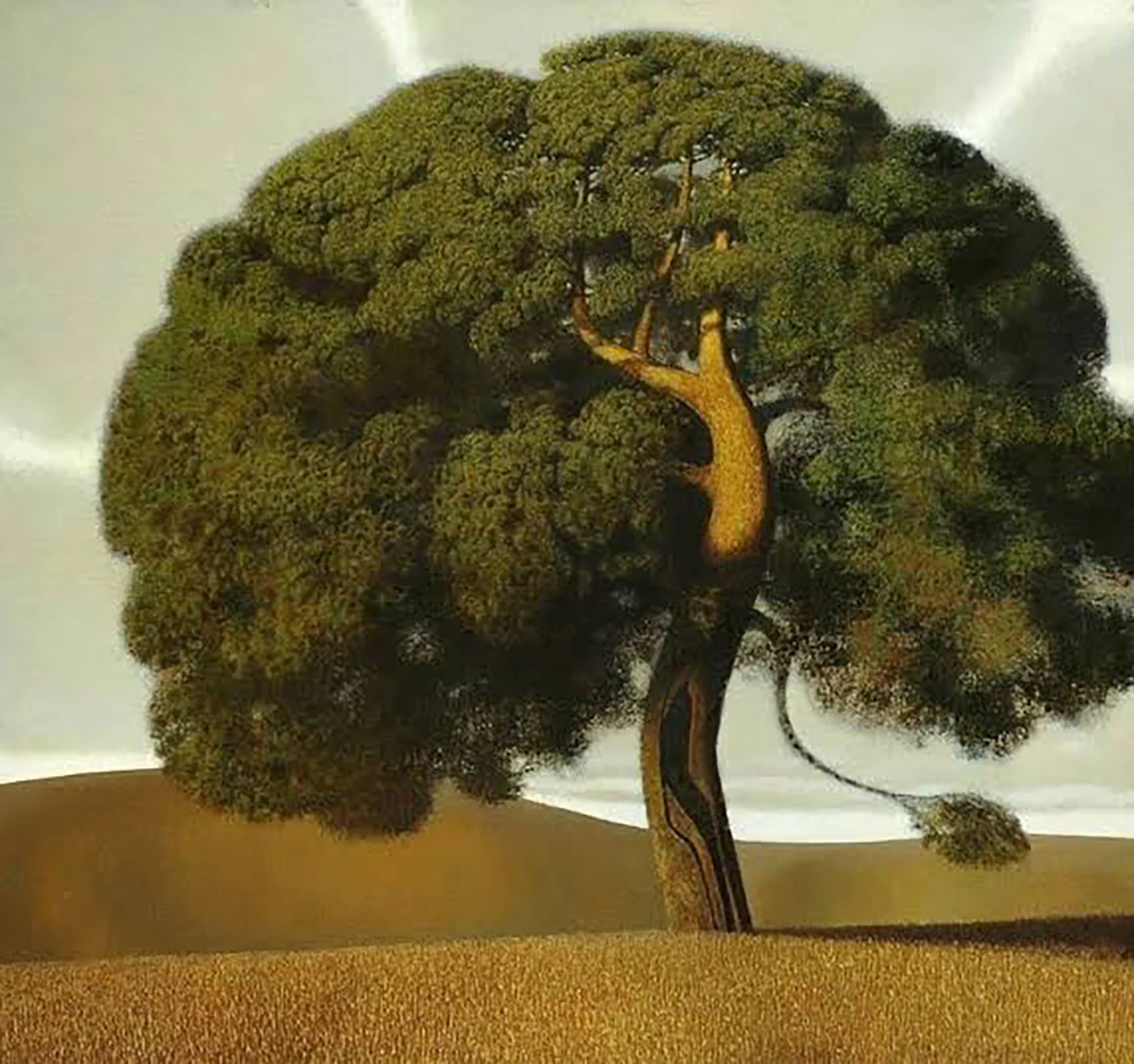
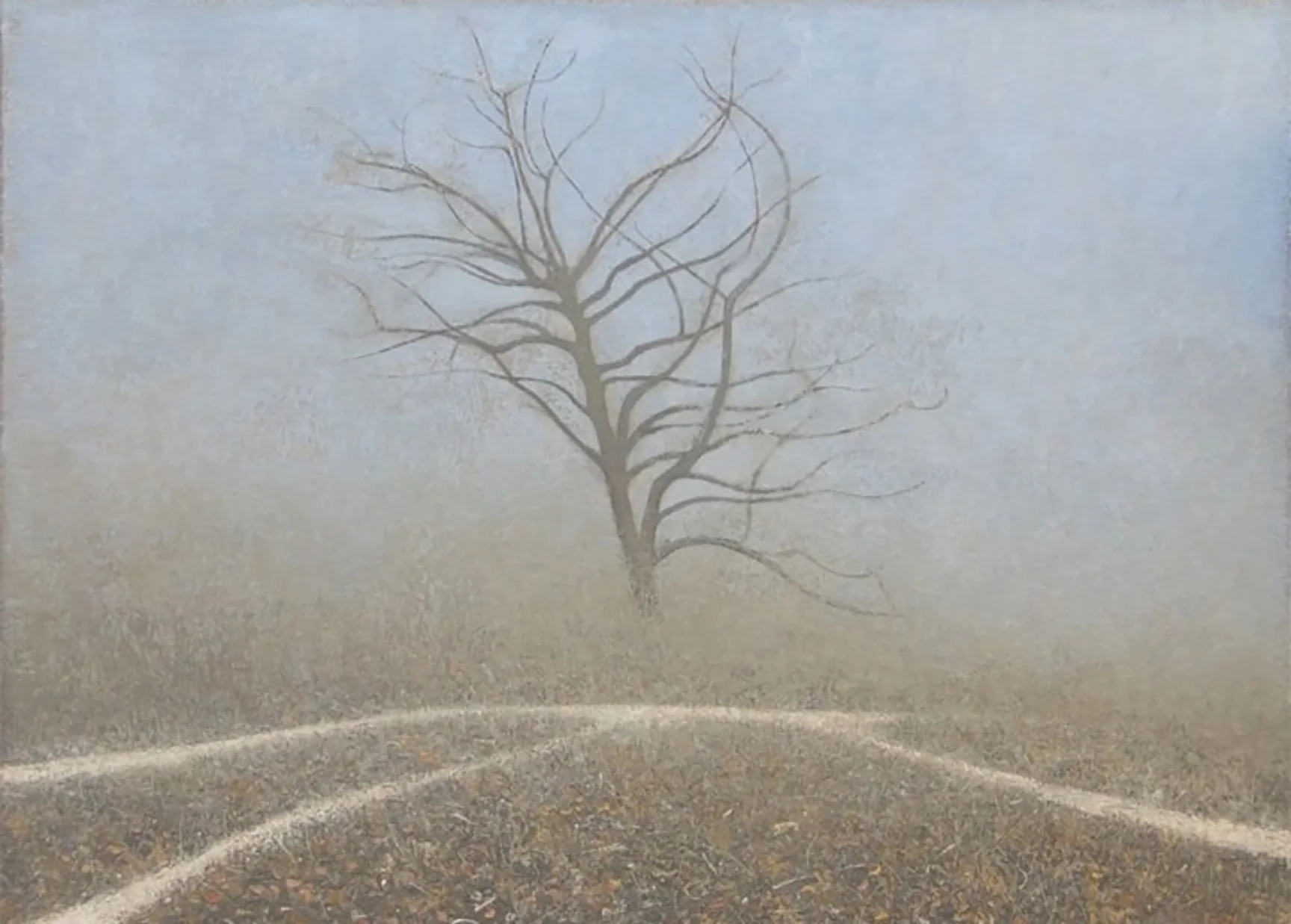
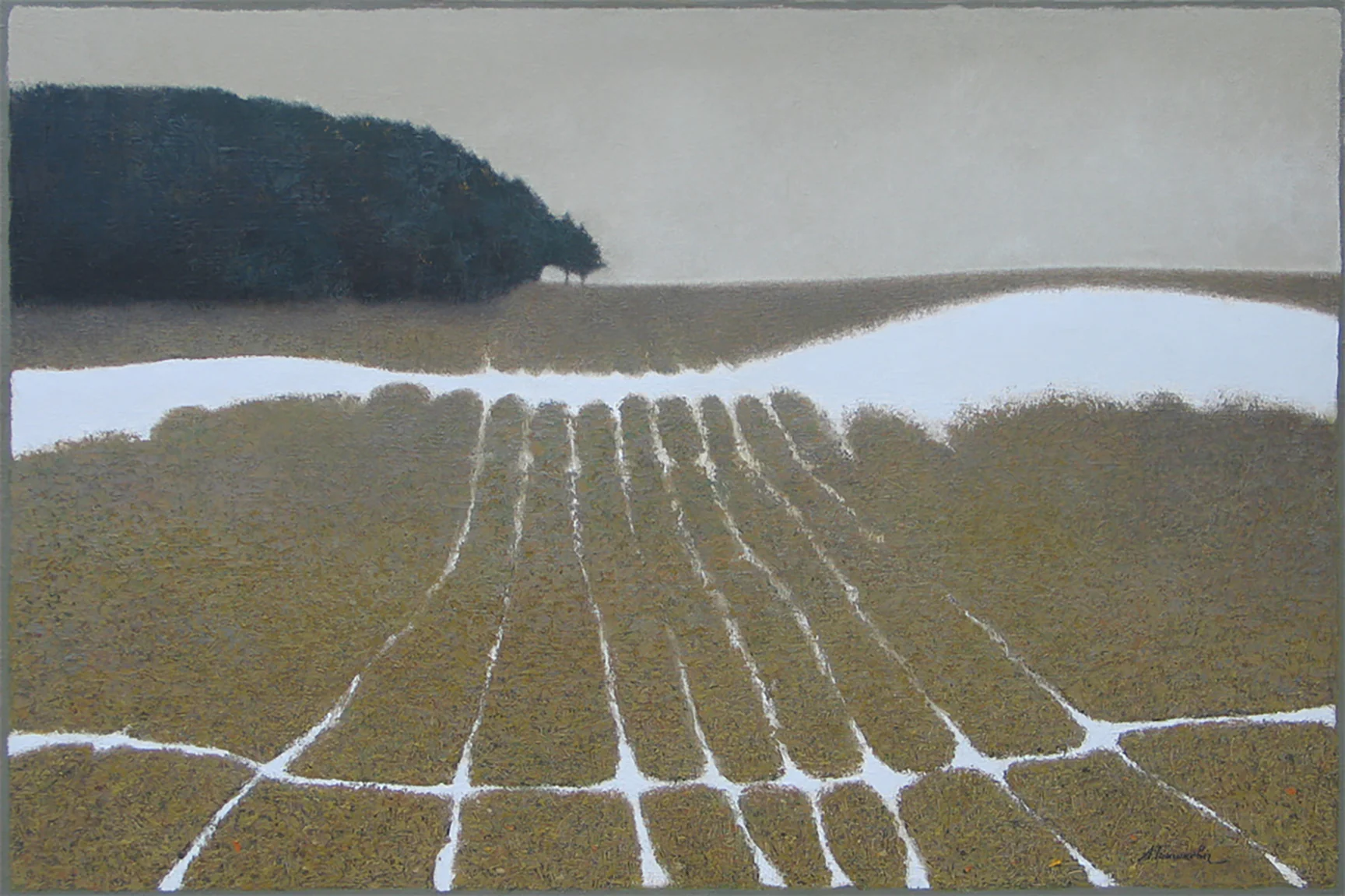
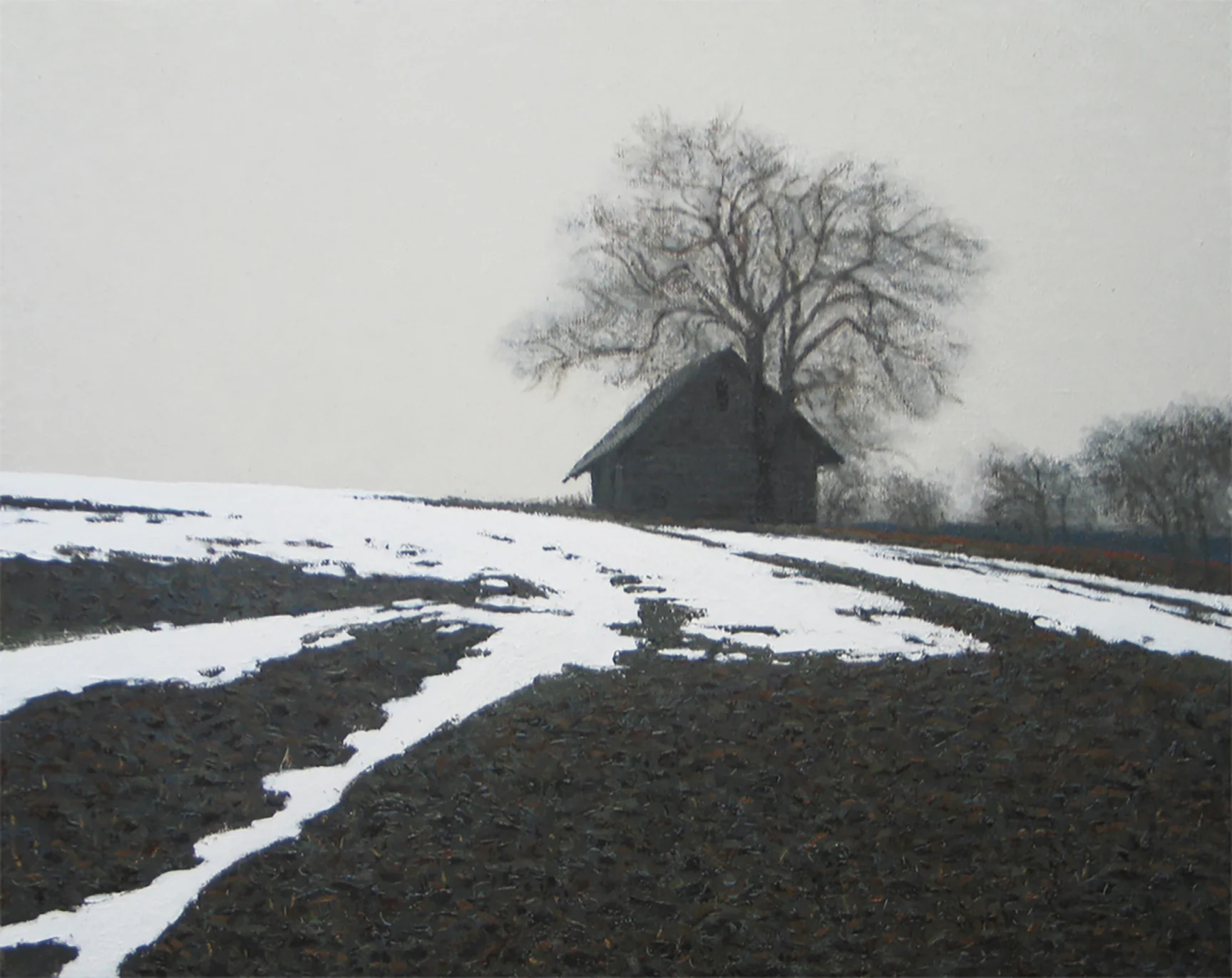
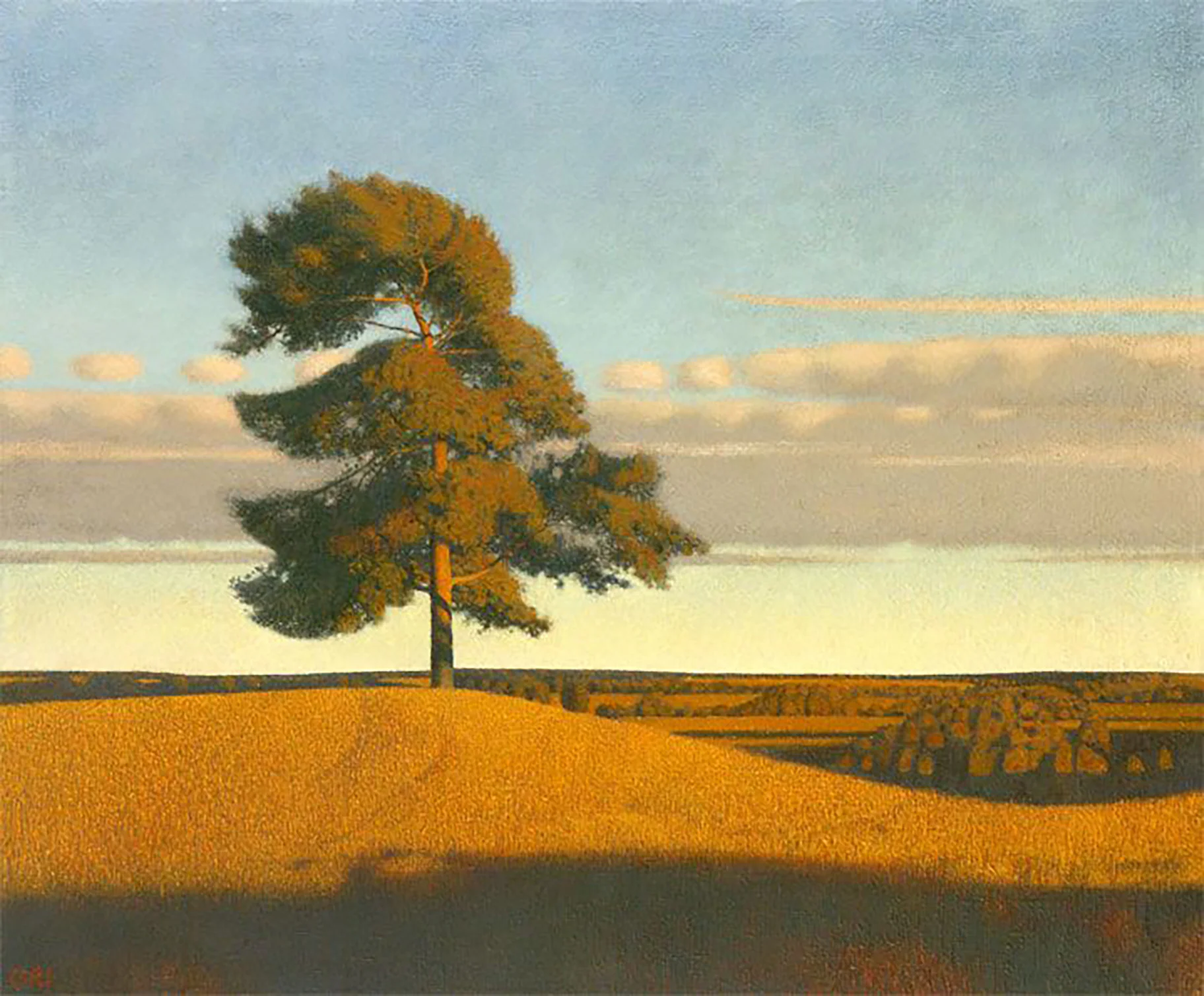
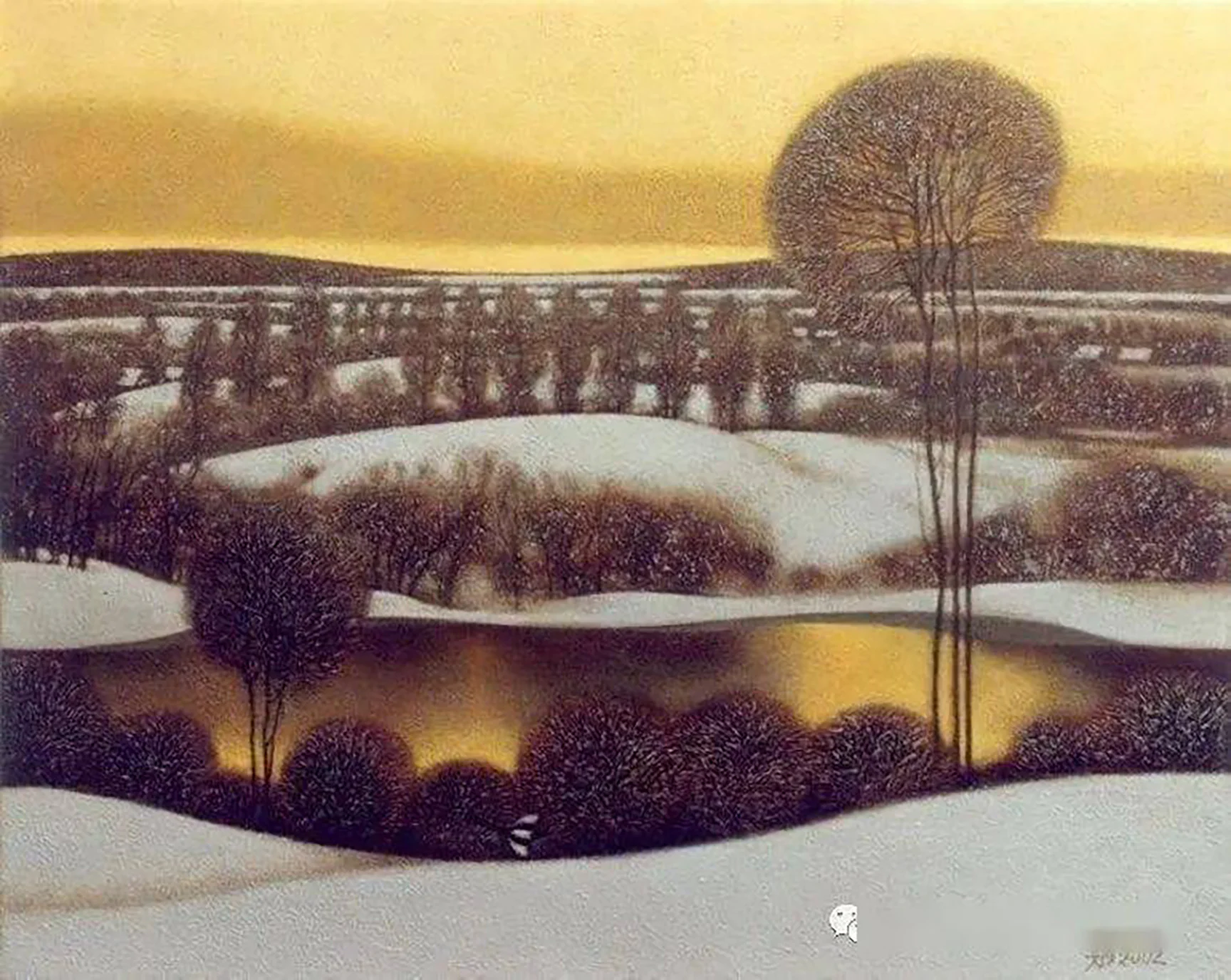
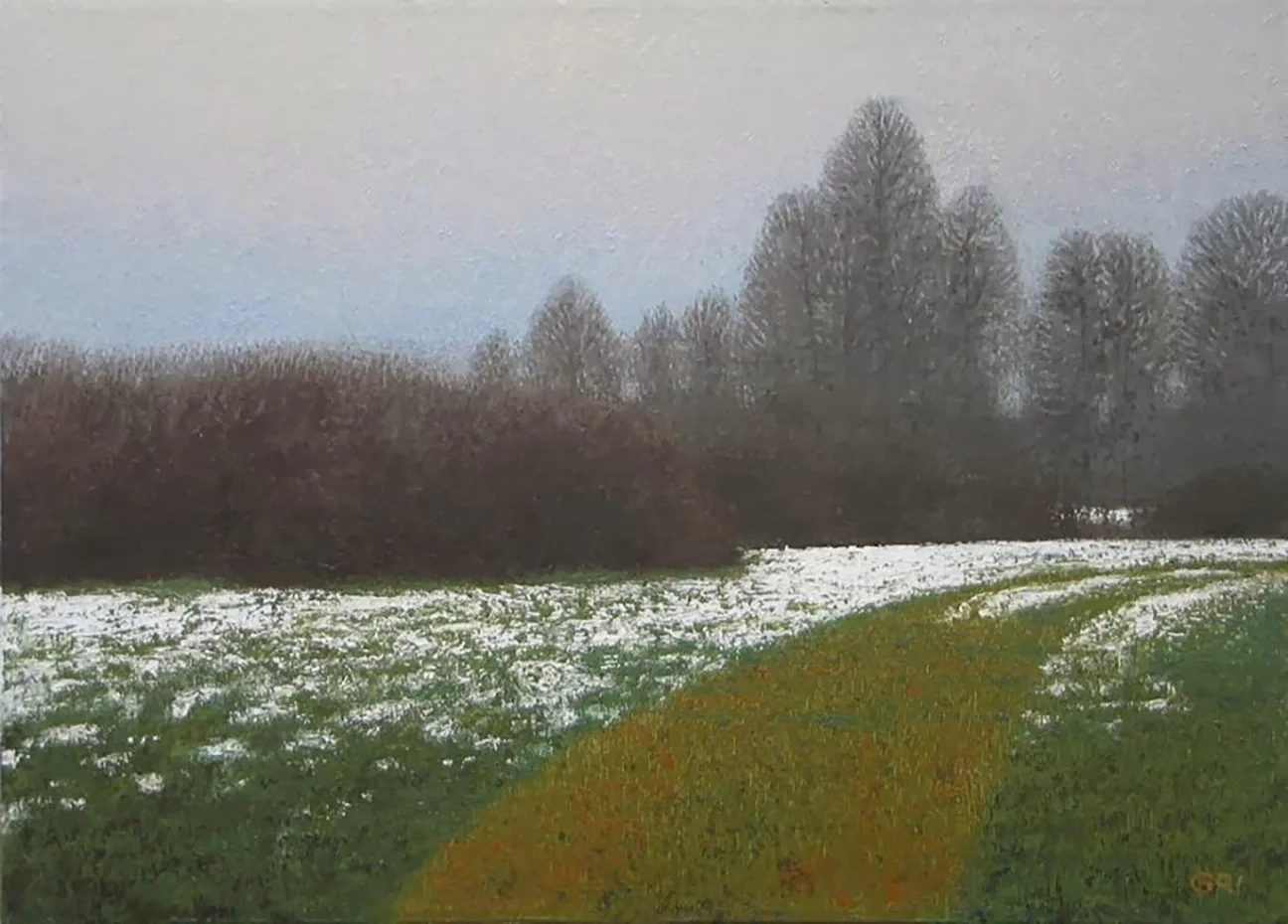
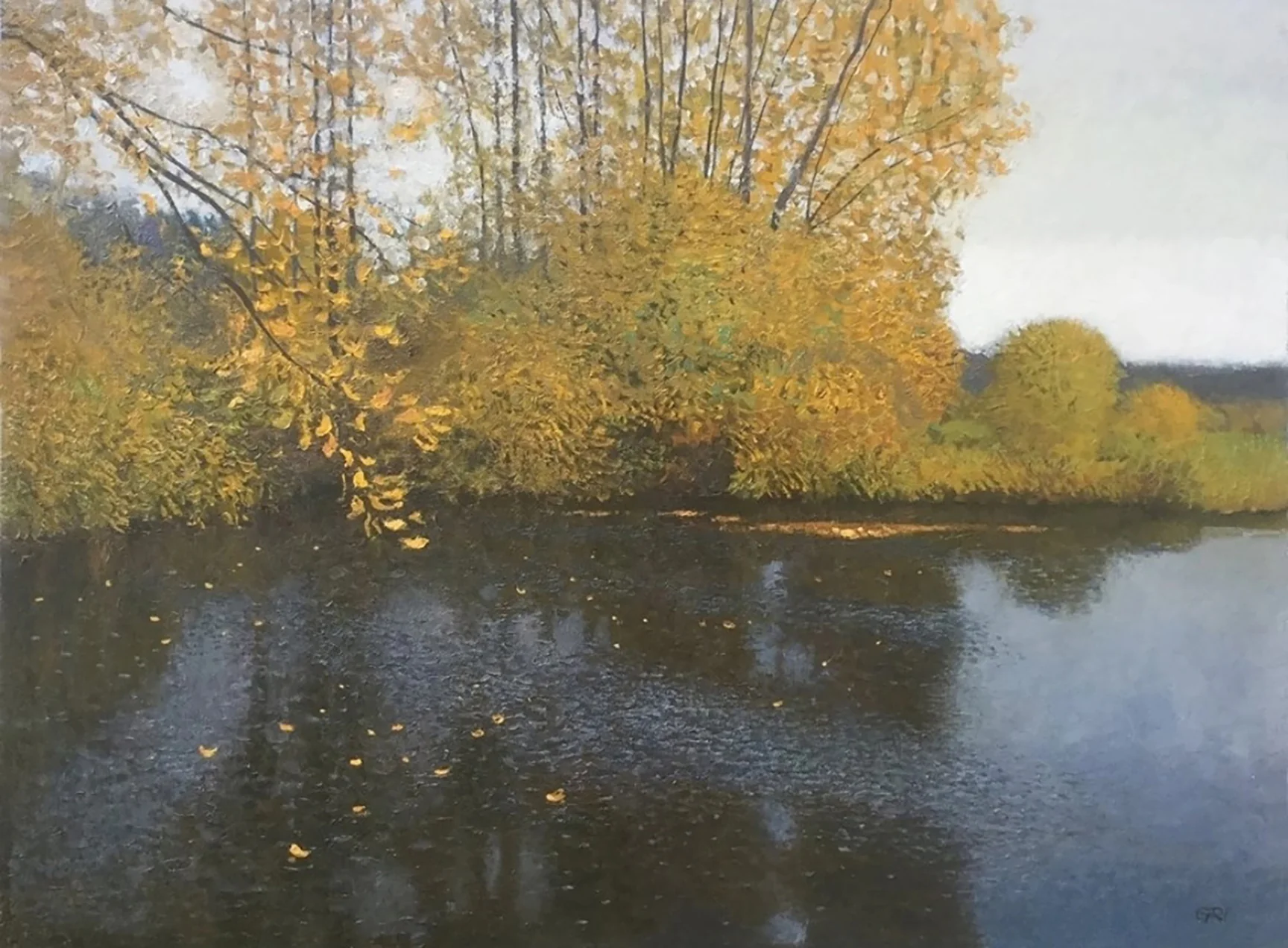
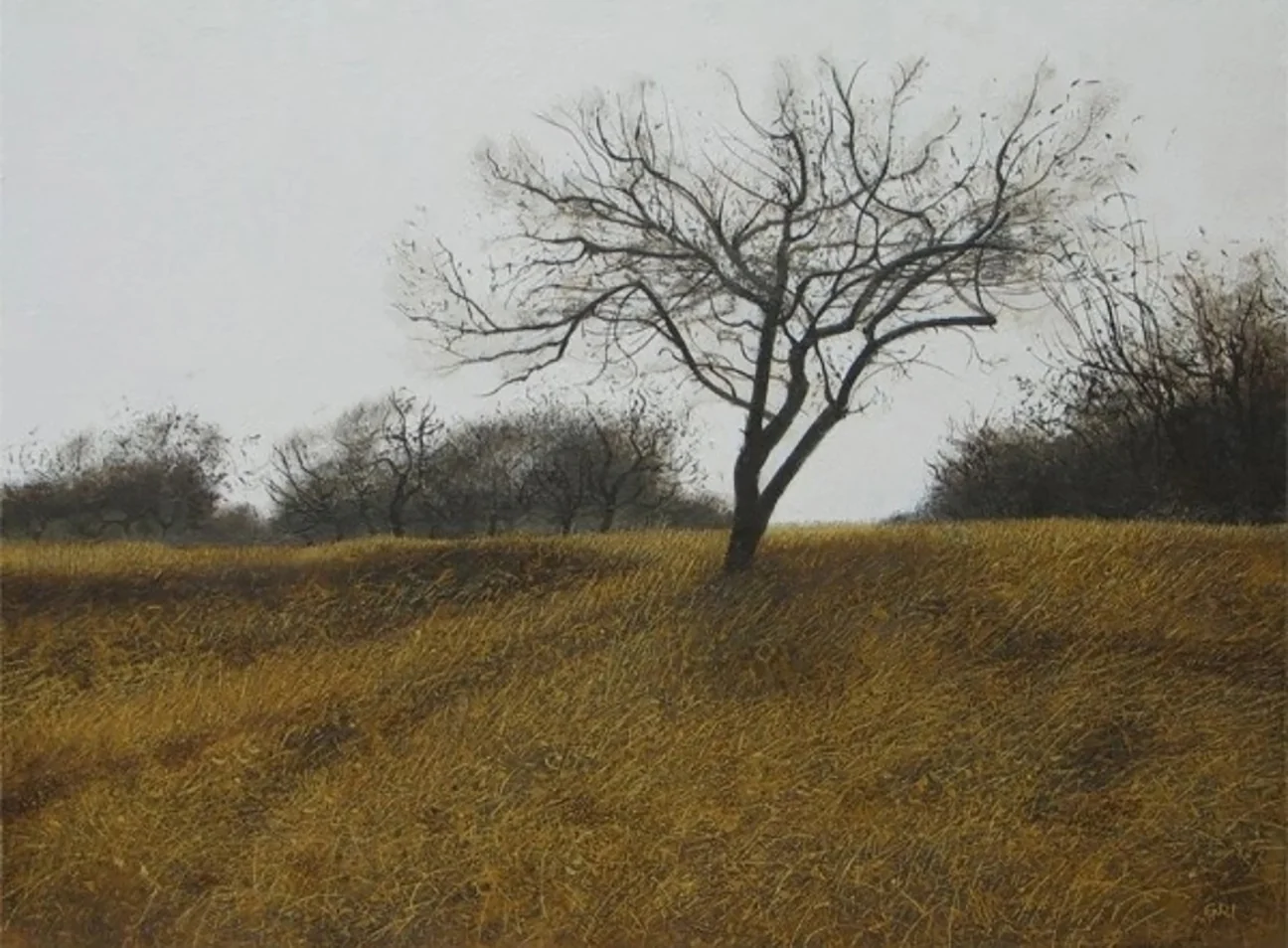
Alexander Grishkevich translates his perception of nature into painterly compositions, elevating ordinary scenes into ideal realms.
The artist’s vision is the product of a distinct consciousness—one that perceives the surrounding world through the lens of absolute love and beauty in every brushstroke. In these landscapes, the veil between the material and the spiritual effortlessly dissolves. A solitary tree, a quiet lake, or a rolling hill each holds its own sacred music and mystery—nothing is ever secondary. Every facet of nature is raised to an icon-like presence, mirroring the divine stillness and profound wisdom of visible and invisible worlds alike.
Characterized by a soft, misty haze and delicate light, his work invites the contemplation of a tranquil, mysterious silence. Coupled with a gentle, muted palette, elegant graphic lines, and flawless compositional balance, Grishkevich’s landscapes are unique creations that leave an indelible, deeply peaceful impression in our soul and mind.
Exhibition History
Metaphysical Landscape
Exhibition, ArcProspect Foundation
National Art Museum of Belarus
Permanent collection
Museum of Modern Art, Minsk
Permanent collection
Art Gallery of Svetlogorsk, Belarus
Permanent collection
Unechskoy Art Gallery, Russia
Permanent collection
Ministry of Culture of the Republic of Belarus
Held in the Ministry’s funds
Dimitriy Bashko
Medium
Chalk pencil on black
Series
The Soul’s Supplication
On view
The Last Supplication
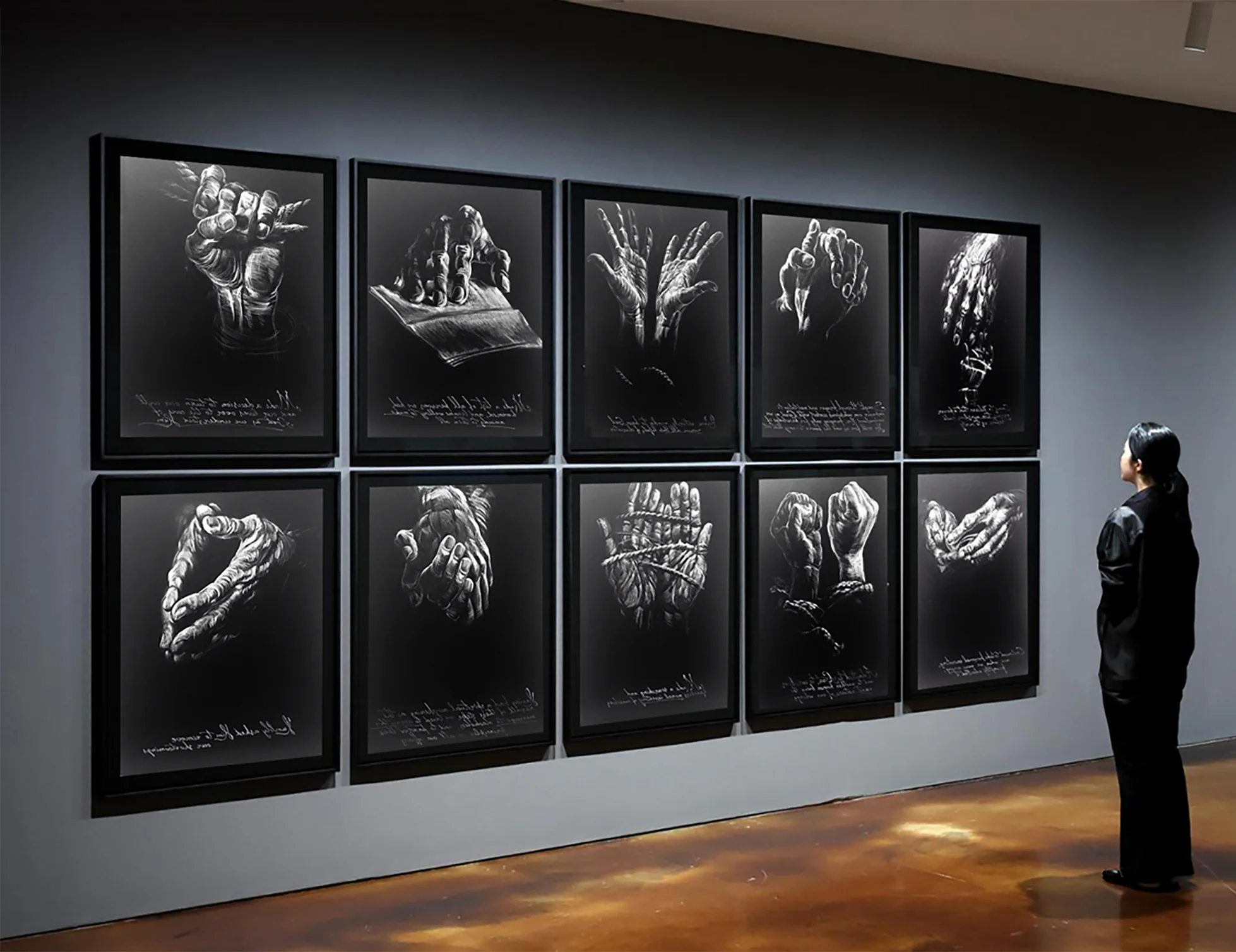
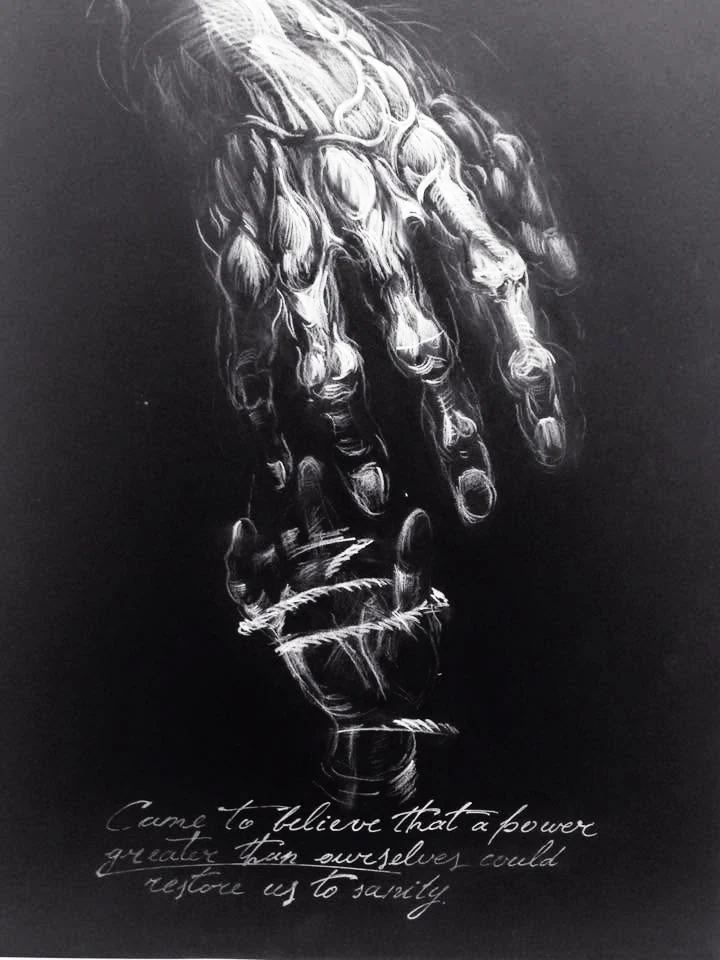
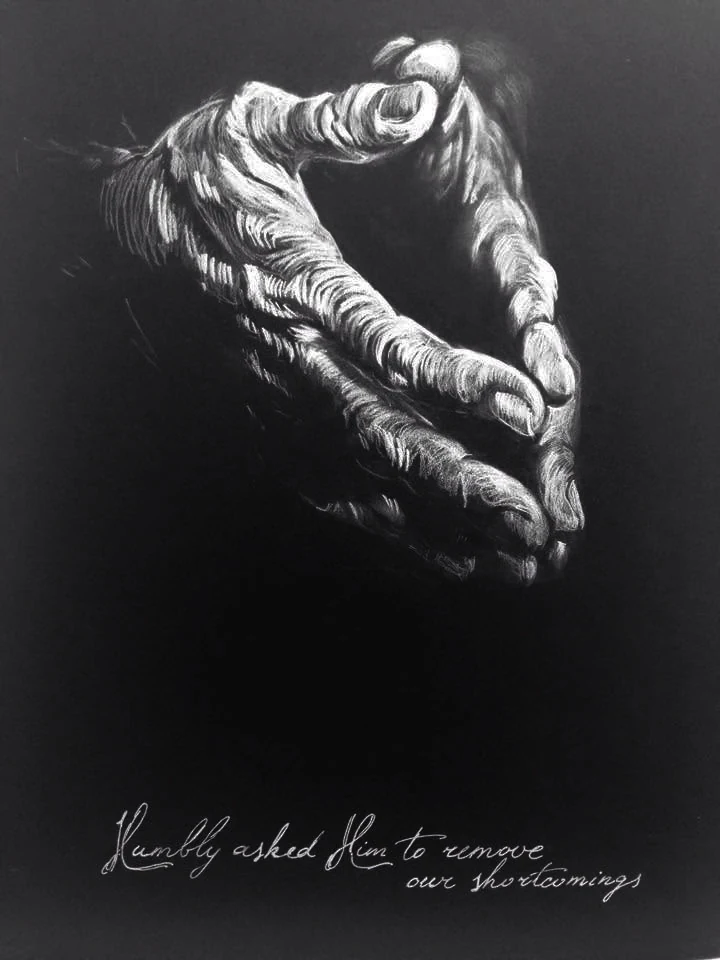
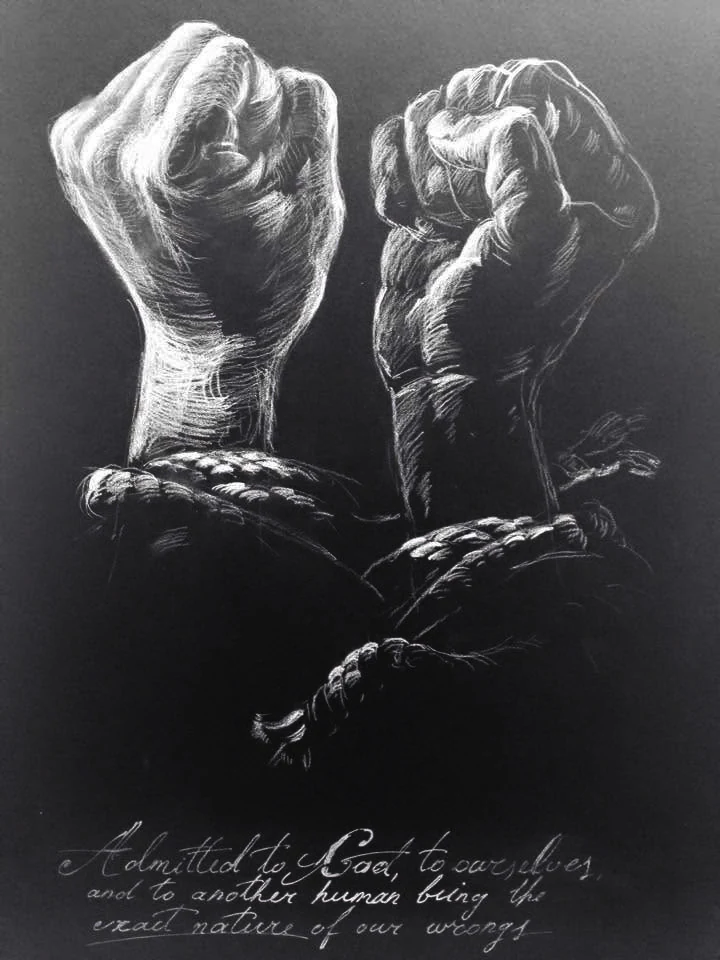
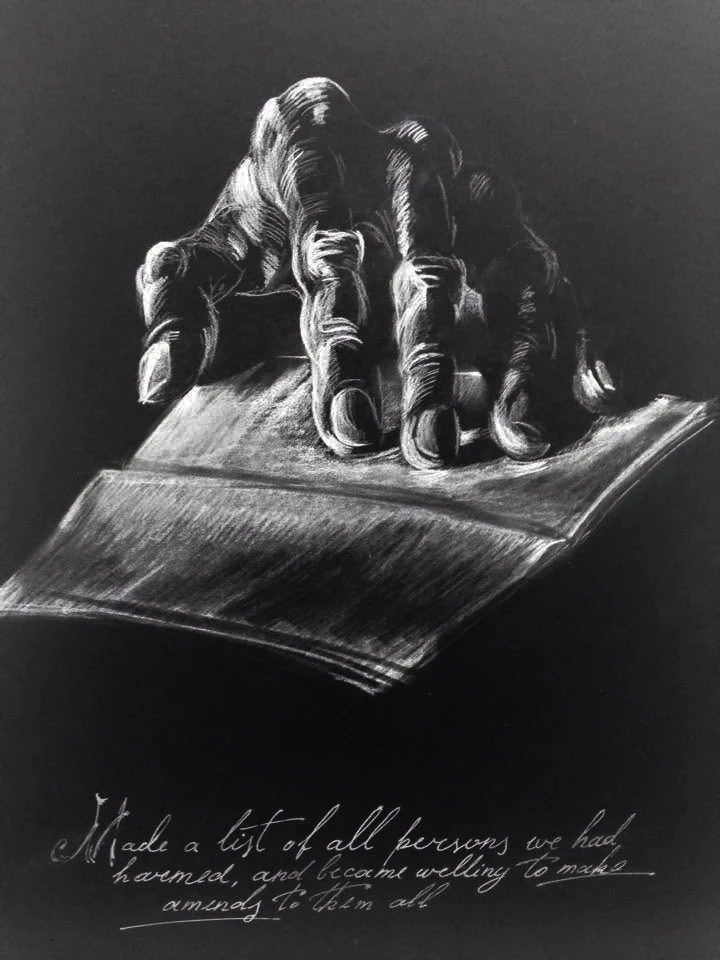
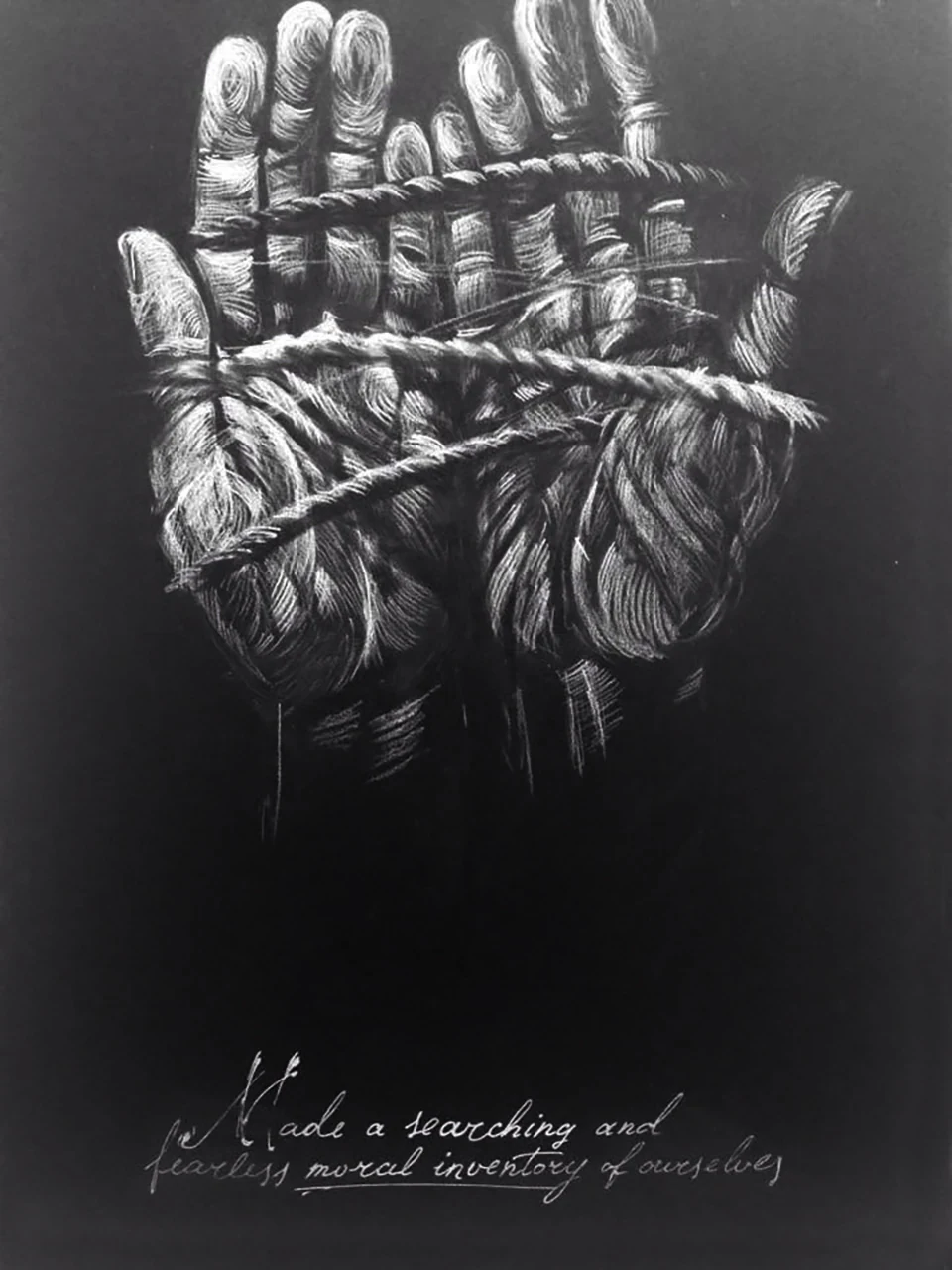
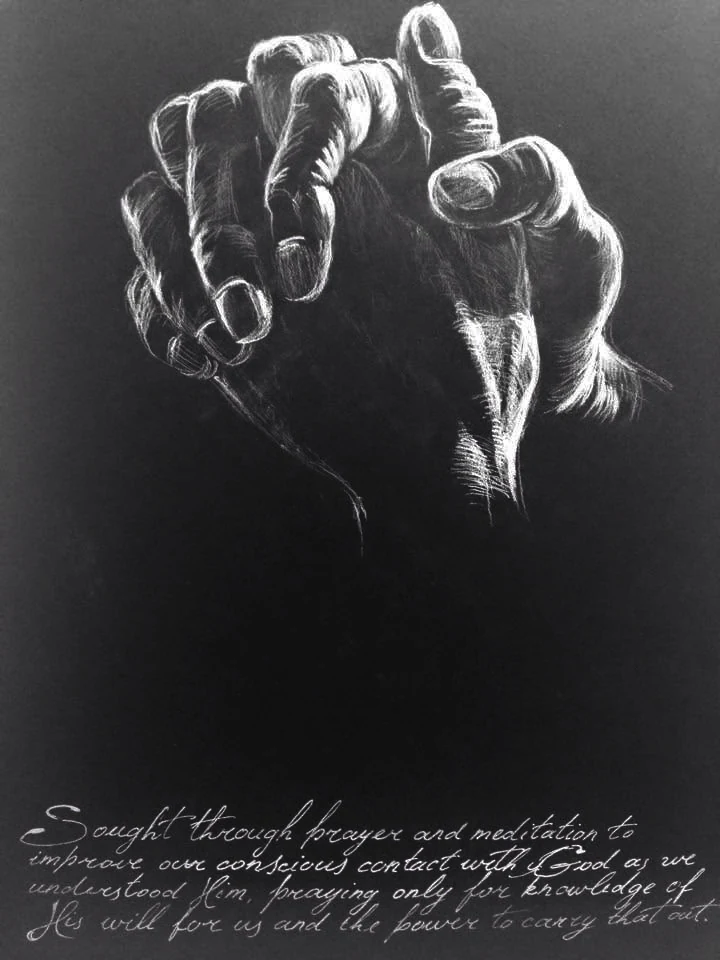
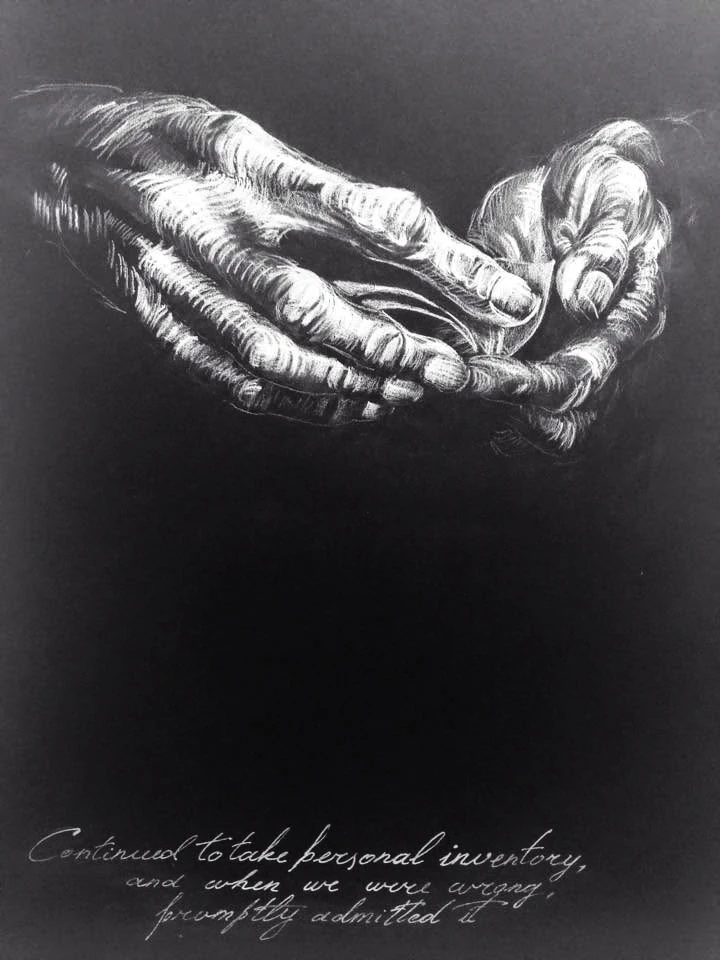
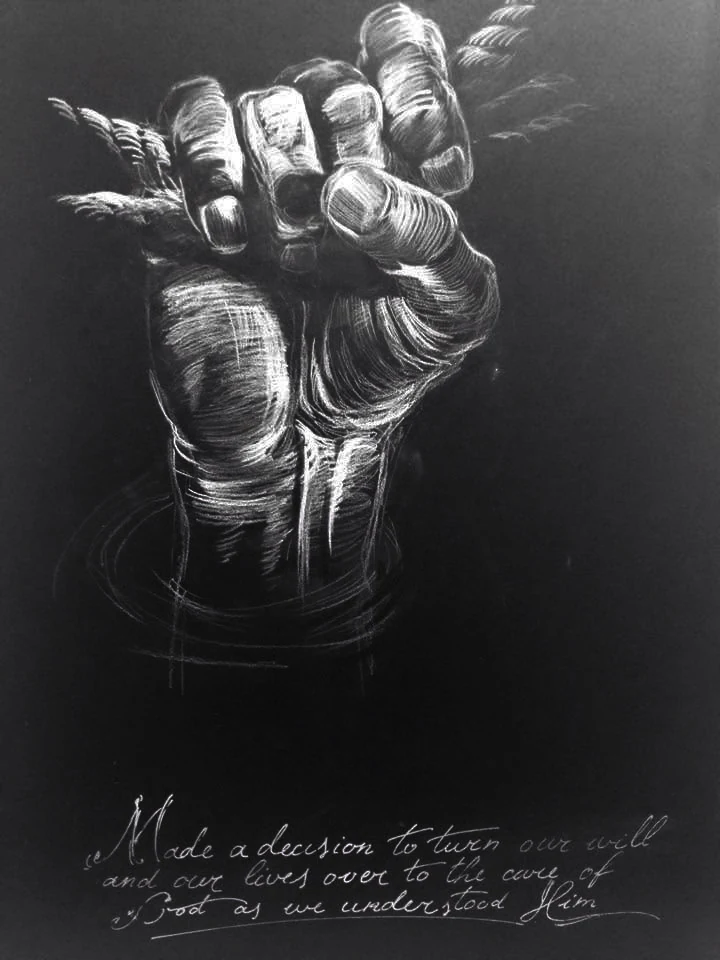
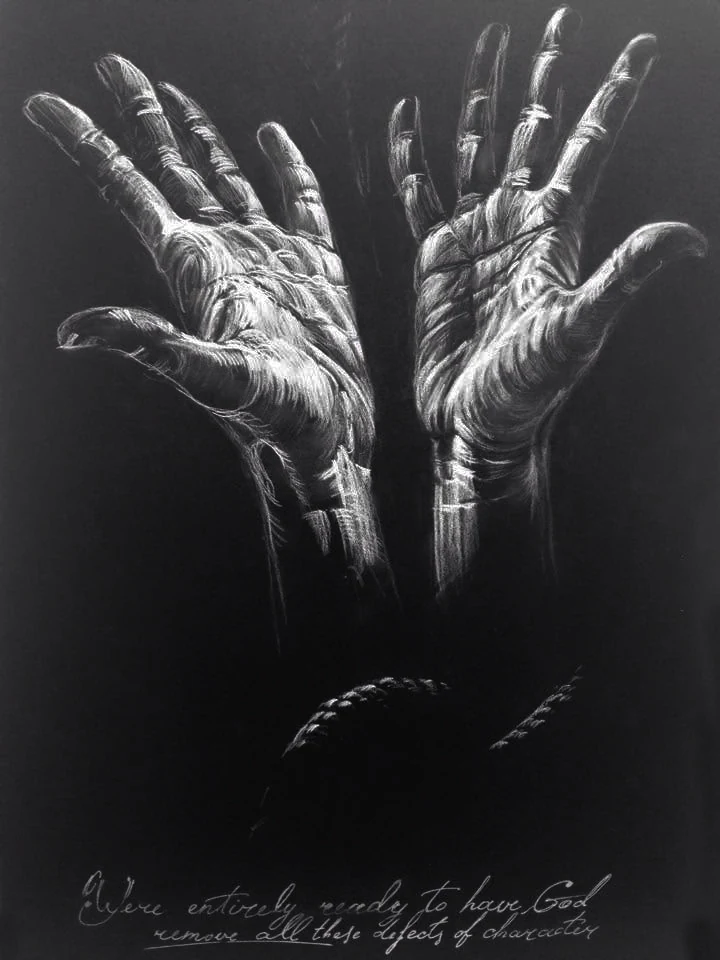
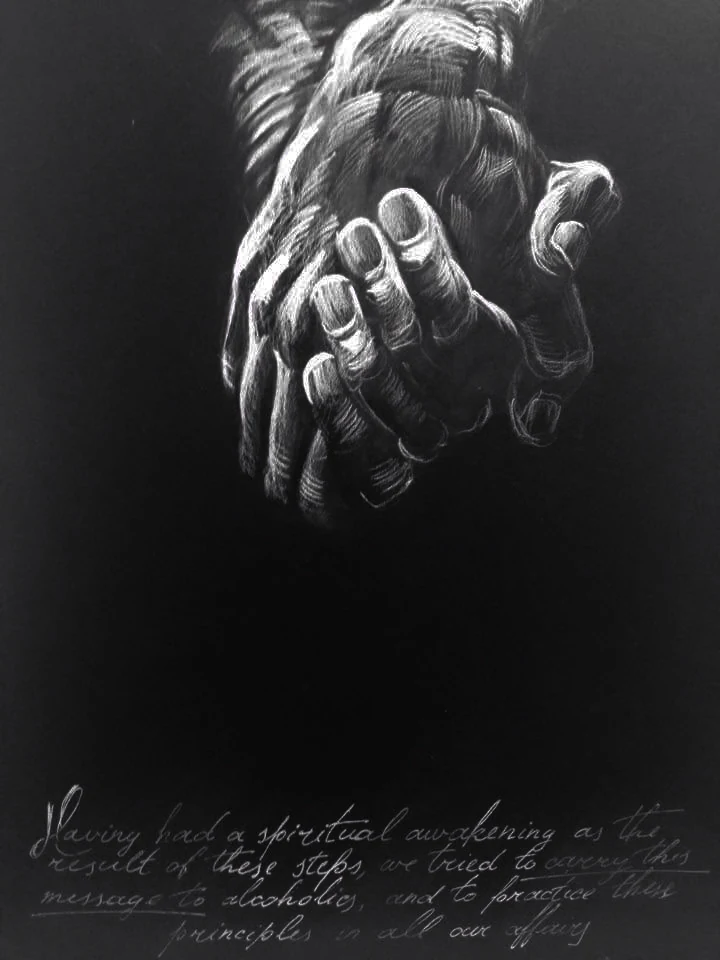
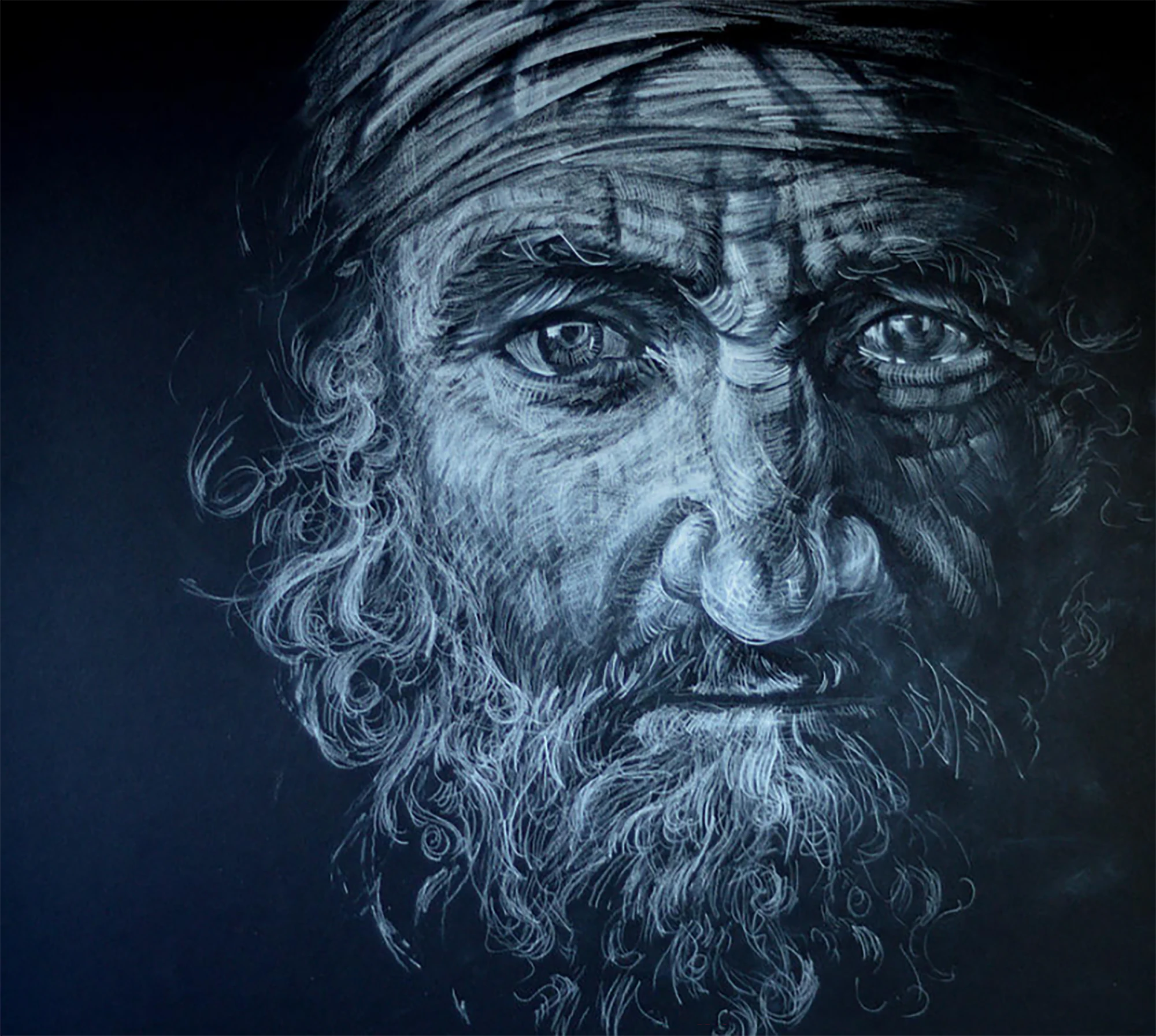
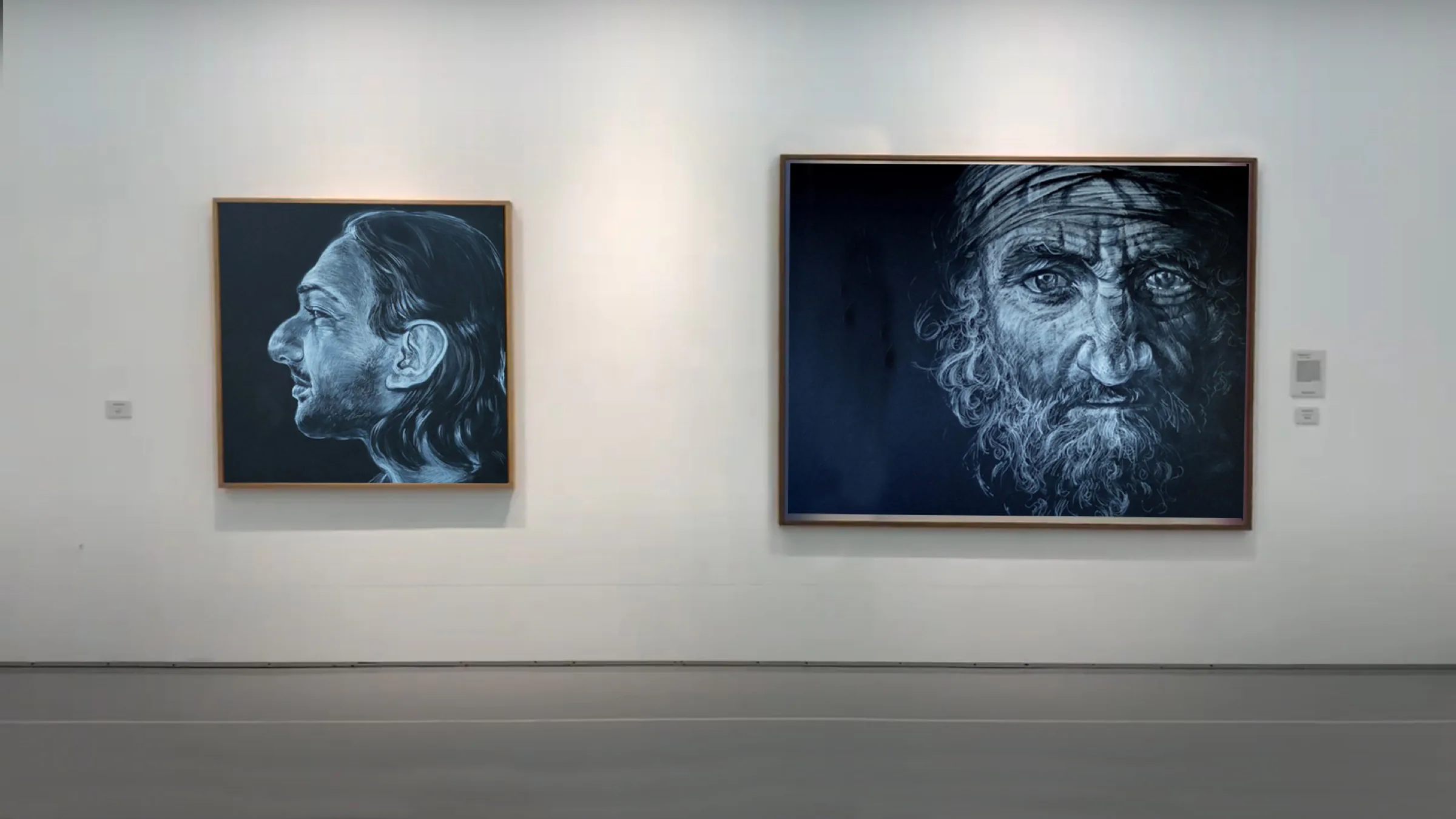
The Soul’s Supplication, a series of drawings by Dimitriy Bashko, serves as a profound confession: a quest for solace, a struggle against inner darkness and doubt, and an appeal to a higher world, whether Divine conscience or God.
The drawings articulate a soul-wrenching thirst for life, a plea for forgiveness, and a desperate bid for survival within a harsh world defined by contradiction, social injustice, and relentless intrigue. The artist grapples with the oppressive weight of darkness, despair, disillusionment, and utter hopelessness—a true crisis of his soul. Executed in chalk pencil on a black background, the series chronicles his confession and the state of his inner life, laying bare his spiritual wounds with absolute sincerity and quiet dignity.
Though afflicted by a severe illness, this provides no grounds to accuse him of deliberately reveling in his own suffering. A man of delicate sensibility, he endured immense agony—torments so profound they only deepened his sense of isolation. It is hardly surprising that those who harbor an intense, innate yearning for truth and goodness are inevitably subjected to a unique trial by evil. The crushing burden of such a solitary struggle is borne either by the creatively gifted or, even more so, by those who lead lives of ascetic devotion. Living in an era marked by the devaluation of art, culture, tradition, family, and life itself, the artist is losing his sense of purpose and falling into a dark abyss of suffering.
In his work, Dimitriy Bashko reveals himself to be a deeply religious man—albeit one whose spiritual strength has been tested, as Job was tested, and depleted in the battle against inner darkness and evil. Yet The Soul’s Supplication represents an exceptionally poignant facet of his final creative output: prayer and a lasting hope for liberation, healing, and the inner enlightenment of the soul.
Exhibition History
The Last Supplication
Exhibition, ArcProspect Foundation
The Soul’s Supplication
Series of ten drawings, chalk pencil on black
Patience of Job
Chalk pencil on black
Sadao Watanabe

Born
Tokyo, 1913
Died
1996
Technique
Katazome and kappazuri stencil printing
Movement
Mingei (folk craft)
On view
Gospel of Mark
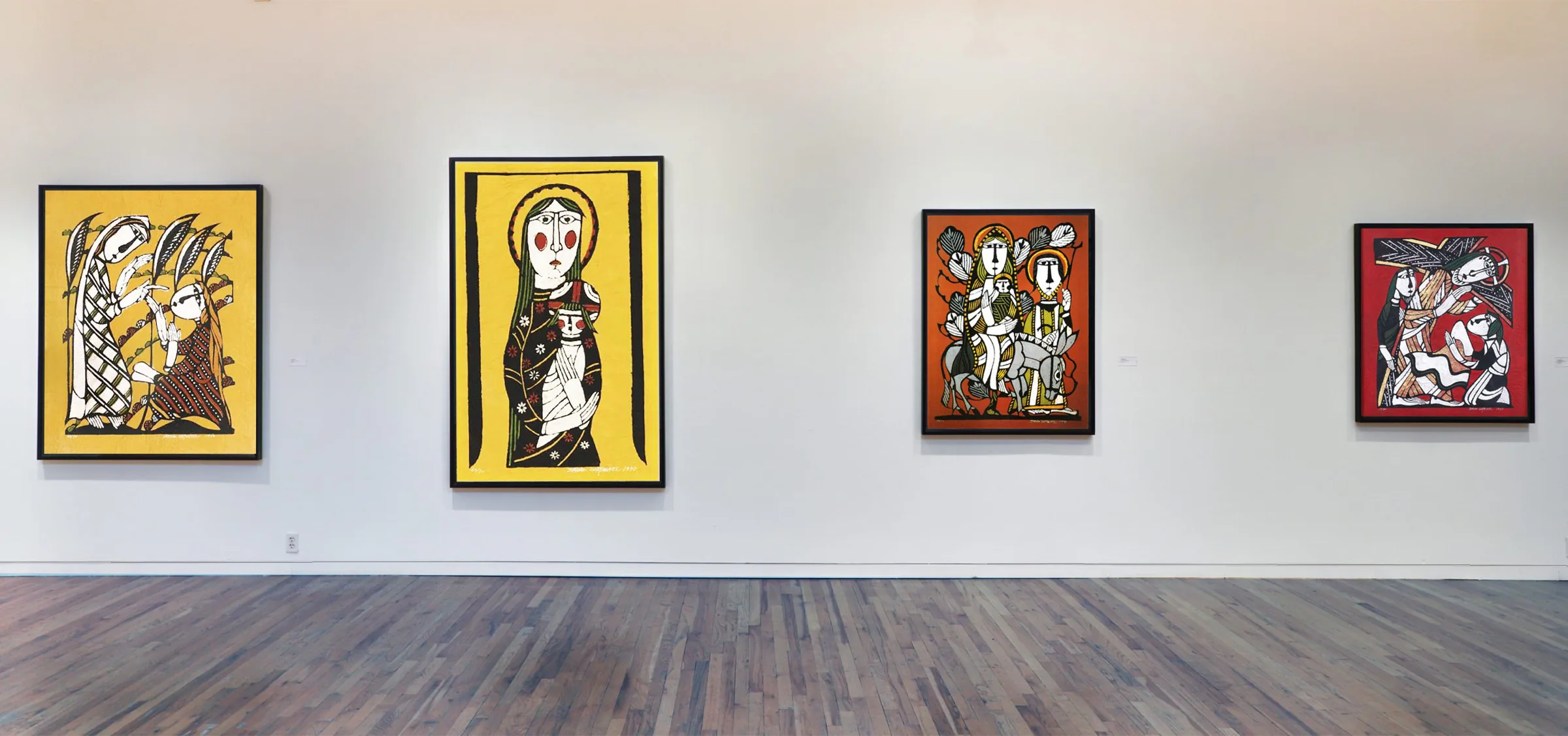
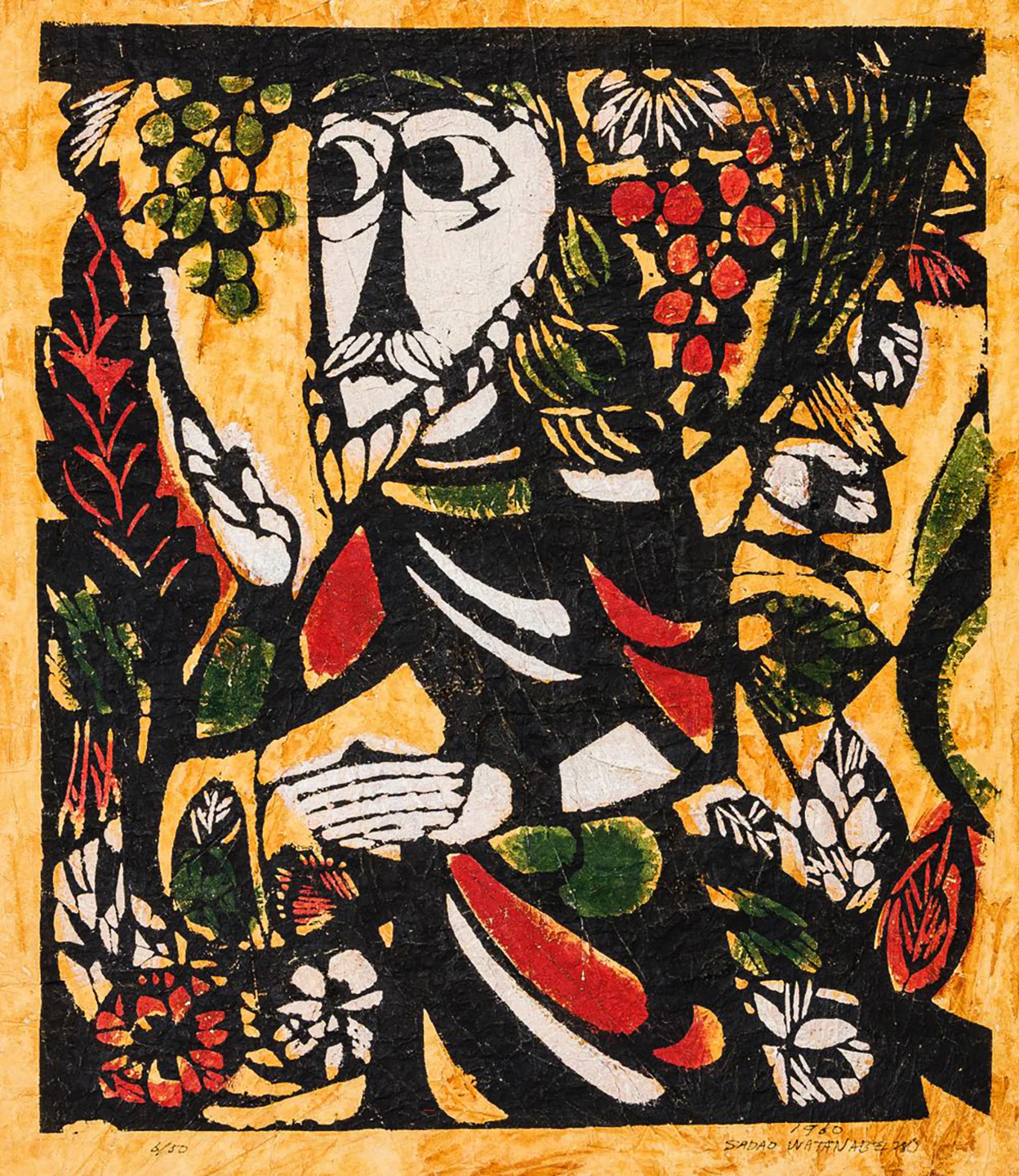
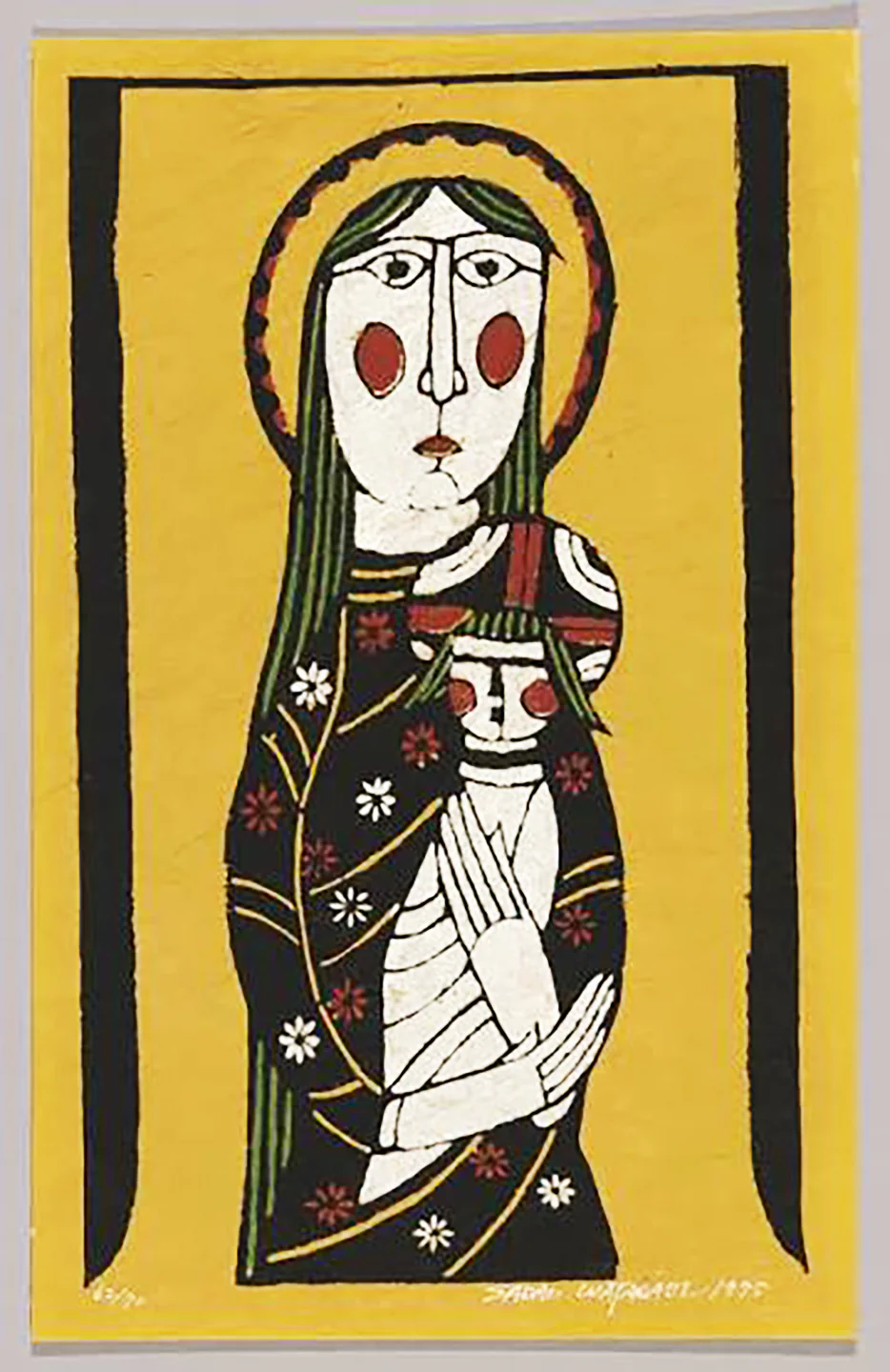
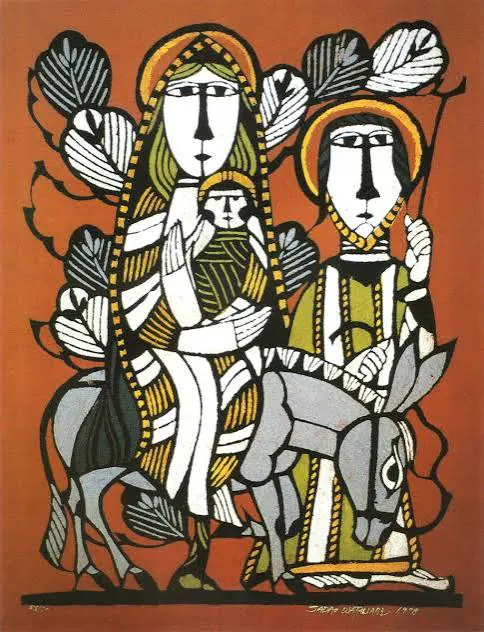
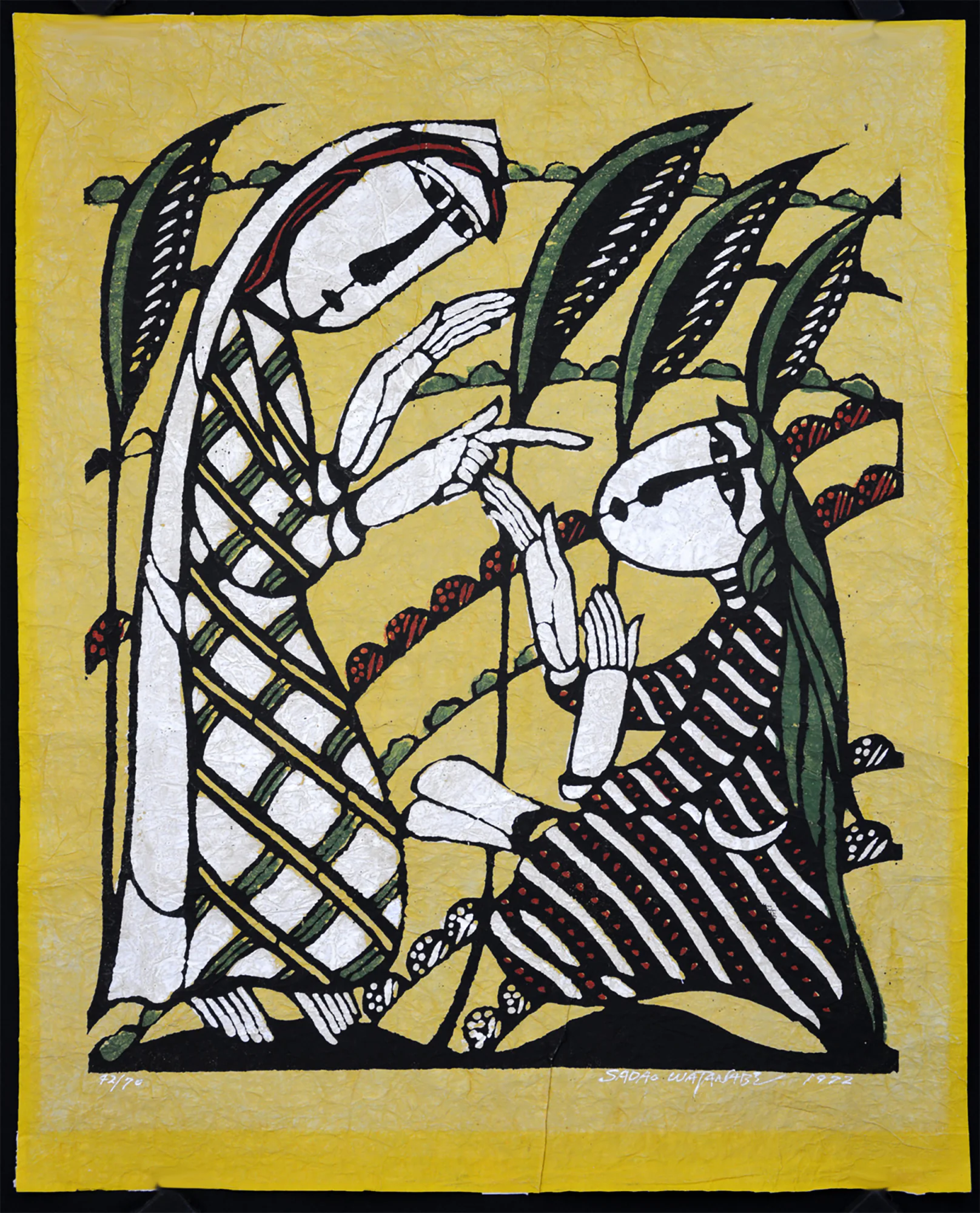
Born in Tokyo on July 7, 1913, Sadao Watanabe was a contemporary mingei (folk art) print artist who specialized in Christian iconography.
Watanabe lost both of his parents when he was just ten years old. His Christian neighbors provided crucial support during his youth, and after attending a church service at their invitation, he converted to Christianity.
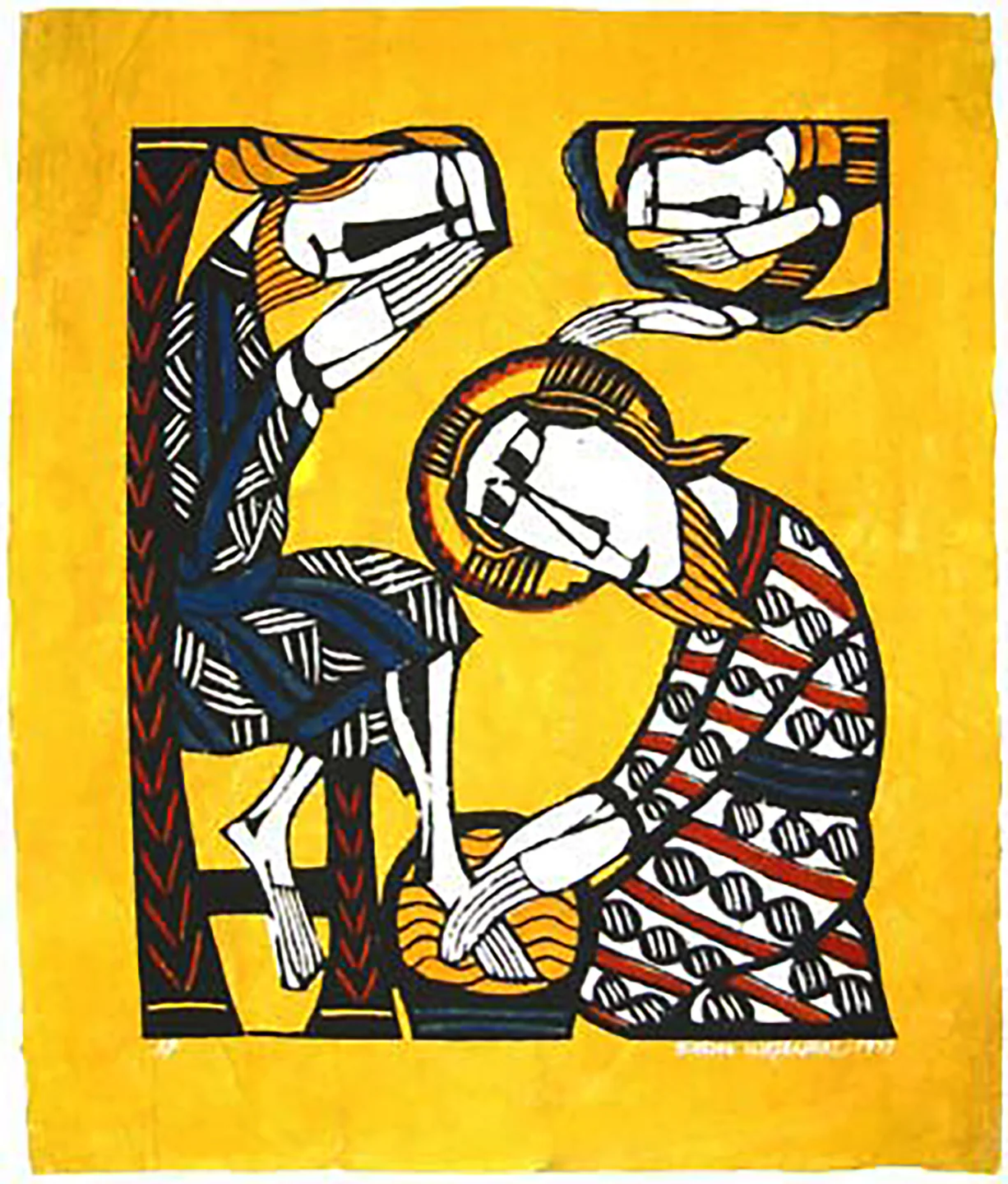
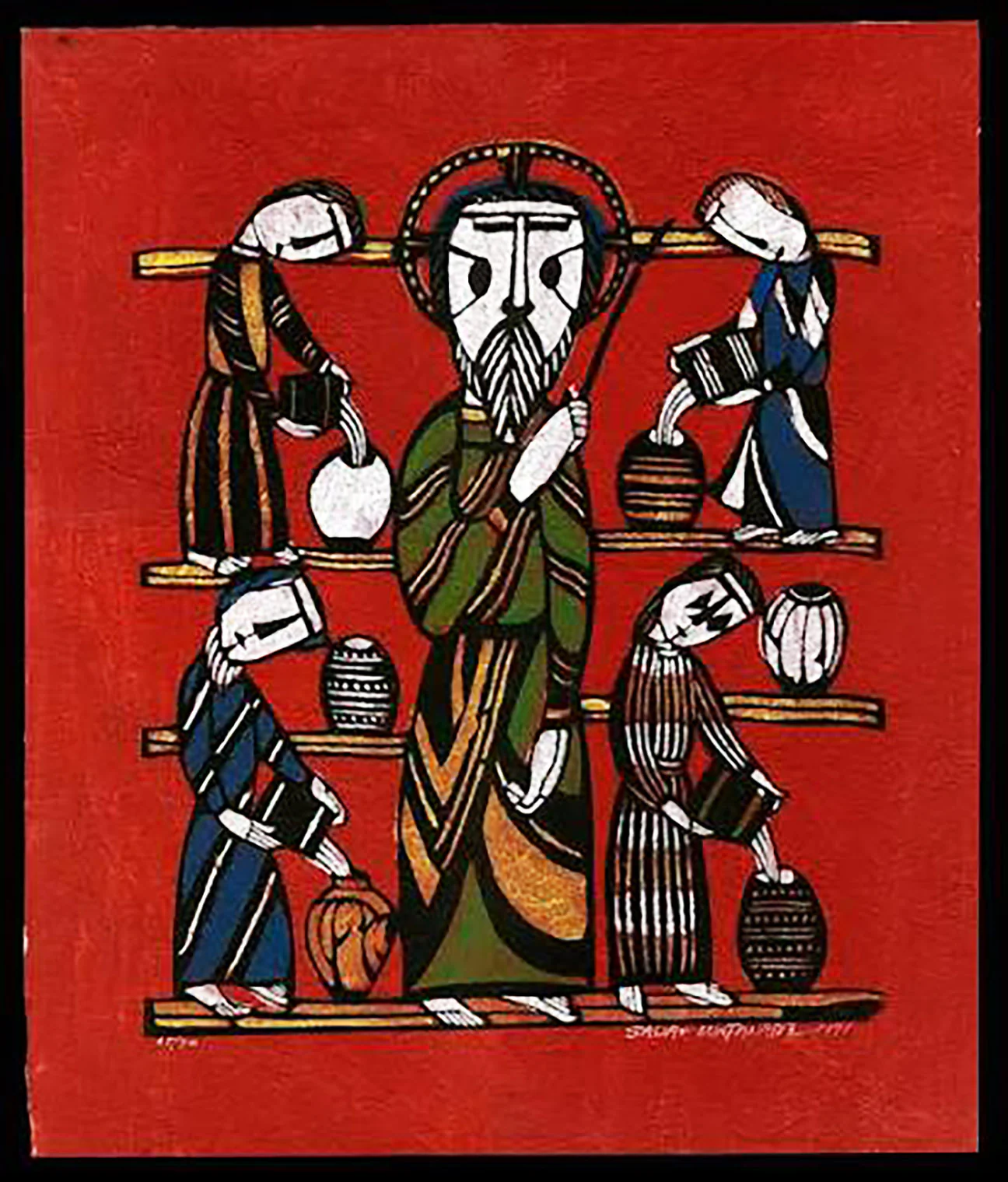
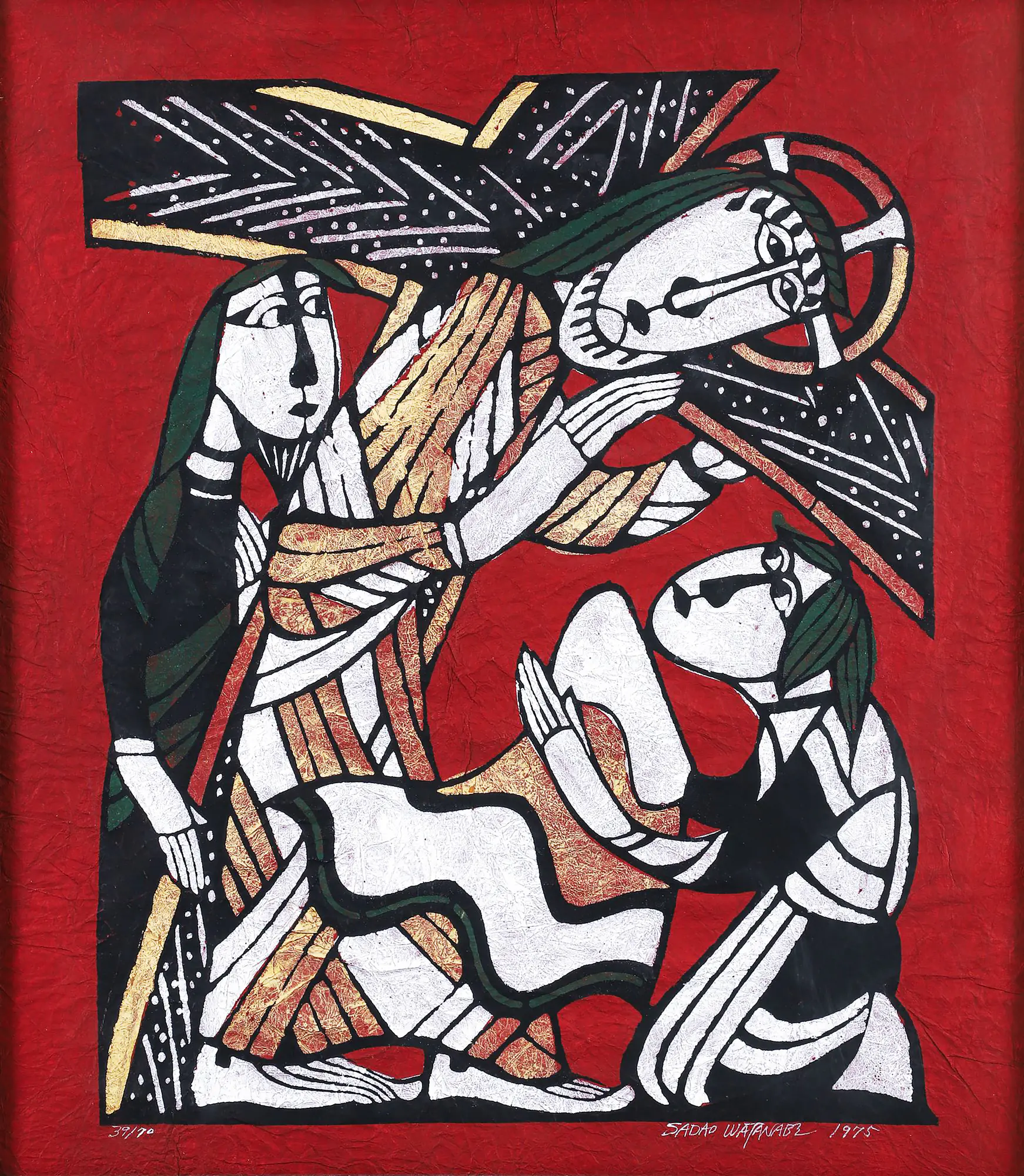
During his adolescence, Watanabe apprenticed in fabric dyeing at the studio of master textile artist Keisuke Serizawa. There, he drew inspiration from two traditional stenciling techniques: katazome, a Japanese resist-dyeing method utilizing a paste made from rice flour and soybean liquid, and kappazuri, a stencil technique adapted to produce prints on paper. By printing on heavily crumpled paper, Watanabe imparted a tactile, three-dimensional quality to his artwork.
In addition to Serizawa, Watanabe was deeply influenced by Sōetsu Yanagi, the founder of the mingei (folk craft) movement. Watanabe’s place in the movement was firmly established when he won first prize at the Japan Folk Crafts Museum Exhibition in 1947, followed by the Kokugakai Prize the next year.
Inspired by Christ’s teachings, Watanabe depicted Gospel stories using traditional Japanese printmaking, drawing on the visual style of early Buddhist prints. Unlike traditional painting, Watanabe viewed his images of icons as a “visual Gospel”—a means to elevate the mind and soul into the divine realm. Although the spiritual essence of an icon transcends words, Watanabe’s visual language remains distinct, refusing to merely copy Western or Eastern prototypes. Instead, his iconography emerged from an intuitive, deeply personal vision of Christ and the Gospel. Remarkably, his primitivist compositions bear a striking resemblance to ancient Ethiopian Christian art—a tradition he, in all likelihood, never encountered.
Watanabe believed that an artist’s inner life is naturally reflected in their work. For him, icon painting was not merely an artistic effort, but a transformative spiritual discipline that purified and enlightened the mind. His thinking here was based not only on Buddhist beliefs and tradition, but also on the early traditions of Eastern Orthodox Christianity. It served as a form of meditation that directly connected humans to the Gospel and to Christ.
Sadao Watanabe passed away on January 8, 1996, at the age of eighty-two.
Exhibition History
Gospel of Mark
Exhibition, ArcProspect Foundation
Japan Folk Crafts Museum Exhibition
First prize, 1947
Kokugakai Prize
1948
Museum of Modern Art, New York
Collection
Art Institute of Chicago
Collection
Honolulu Museum of Art
Collection
Vatican Museum of Contemporary Art
Collection
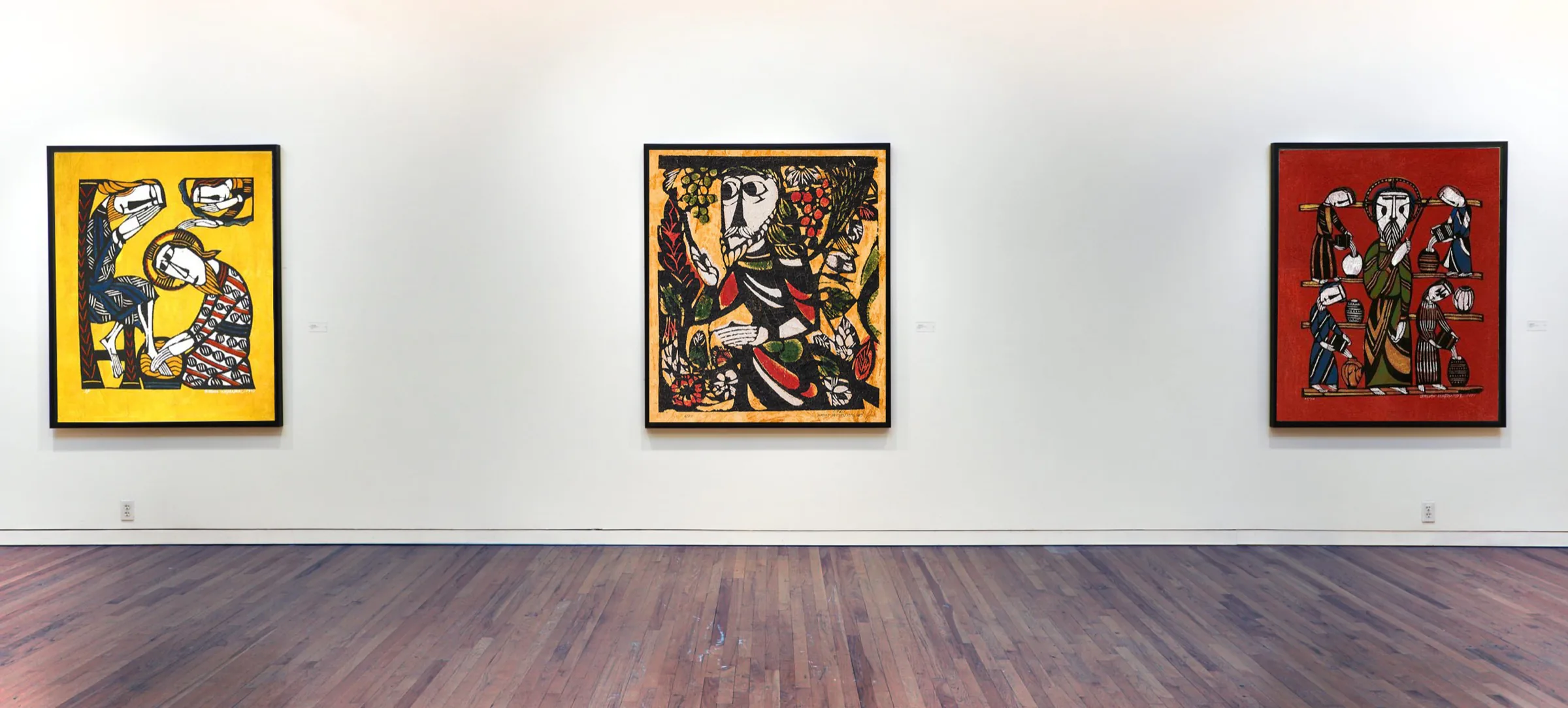
See the current exhibitions of Alexander Grishkevich, Dimitriy Bashko and Sadao Watanabe.
Magazine: coming soon